America's largest budget airline reports 71% jump in airfare
A Frontier Airlines Airbus A321 airplane goes down the runway at Los Angeles International Airport on Jan. 2, 2025, in Los Angeles, California.
Kevin Carter | Getty Images News | Getty Images
Frontier Airlines reported a 71% increase in airfare in the third quarter as the country's largest budget airline tried to pass along an even bigger jump in jet fuel prices.
Frontier's fare revenue averaged $67.82 per passenger in the third quarter, compared with $39.74 last year. Including the budget airline's many fees, such as for checked and carry-on luggage, total revenue per passenger rose 30% on the year to $138.22.
Customers kept booking despite the higher prices. Frontier's passenger count rose 18% to more than 9.8 million people in the quarter. That's a difference of 1.5 million passengers from last year.
The company said demand remains strong, even at these higher prices, but Frontier still lost money. The airline widened its third-quarter loss to $104 million from a $77 million loss a year earlier. Its fuel bill soared 82% to $425 million.
Frontier forecast potential adjusted profit in the fourth quarter, saying it expects to post an adjusted loss of 15 cents per share to adjusted earnings of as much as 5 cents per share.
Carriers from Delta Air Lines to Frontier have said customers are mostly continuing to book flights despite higher fares, but that record jet fuel prices, their biggest cost after labor, are eroding profits.
Frontier shares were up about 6% in early trading Wednesday.
Frontier had eclipsed Spirit Airlines as the biggest discount carrier in the country even before that airline collapsed in May.
The Exchange at TriNoma Opens October 30, Bringing New Shops, Dining, and Transport Links
Failed to get web page
Out of Town Blog
The Exchange at TriNoma Opens October 30, Bringing New Shops, Dining, and Transport Links
Ayala Malls Opens The Exchange at TriNoma on October 30
Ayala Malls will open The Exchange at TriNoma on October 30, 2026, introducing a new mix of retail stores, dining destinations, personal care services, and transport connections in Quezon City.
 The Exchange at Trinoma Renders
The expansion marks another phase in TriNoma’s ongoing reinvention, positioning the shopping center as a lifestyle and mobility hub where visitors can shop, dine, run errands, and access public transportation in one location.
The opening also comes ahead of the holiday season, giving shoppers more options for everyday essentials, casual dining, and leisure activities.
“The Exchange builds on that by bringing together shopping, dining, services, and transport connections in a way that reflects how people move through the city today,” says Paul Birkett, Ayala Malls’ chief operating officer.
New Retail Brands and Shopping Options
The Exchange will feature a selection of retail stores covering fashion, electronics, eyewear, books, and gaming accessories.
A major addition is ABC-Mart Grand Stage, which will open its first branch in northern Metro Manila at the development. Other brands scheduled to welcome shoppers include National Bookstore, Abenson, Honor, Huawei, Xiaomi, Digital Walker, Silicon Valley, GameXtreme, Penshoppe, Regatta, World Balance, and Ideal Vision.
Beyond the Box and Optical Shop are also expected to open soon, with additional lifestyle retailers planned through the first quarter of 2027.
The expanded retail lineup gives shoppers more choices for technology upgrades, fashion essentials, school supplies, and other everyday purchases.
New Restaurants, Coffee Shops, and Snack Stops
Food lovers will find more dining options at The Exchange, whether they want a quick meal, an afternoon snack, or a place to catch up with friends.
Ramen enthusiasts can visit Kyu Kyu Ramen, while Maylah Malatang offers another option for those craving spicy, customizable hot pot dishes.
For coffee, milk tea, and pastries, visitors can explore Dunkin’, Gong Cha, Randy’s Café, Chatramue, and Kumori. Familiar dining options such as Max’s Restaurant and Auntie Anne’s will also be part of the opening lineup.
More restaurants and beverage outlets are expected to join the development soon, including Slim Chickens, Starbucks, McDonald’s, Jollibee, and Chowking.
With these additions, The Exchange aims to provide convenient food and beverage choices for shoppers, office workers, students, and commuters passing through the area.
Personal Care, Wellness, and Everyday Services
Beyond shopping and dining, The Exchange will bring essential services and personal care establishments closer to visitors.
Its service lineup includes My Dentist, St. Joseph Drug, Lay Bare, Passionails, Lavish Lashes, Wat Pho, Great Image, HQ Barbershop, Skin House Laser Clinic, and Mr. Quickie/Sneaker Lab.
These establishments offer options for dental care, pharmacy needs, beauty treatments, grooming, wellness, and shoe care. Visitors can combine these errands with shopping and dining rather than making separate trips to different locations.
Popular Thai beauty retailer Konvy is also expected to join the development, alongside additional lifestyle brands scheduled to open through March 2027.
New Commuter Terminal to Improve Connectivity
One major feature planned for The Exchange is an integrated commuter terminal expected to open by the end of 2026.
The facility is projected to serve 13 transport routes, including buses, UV Express vehicles, and other public transportation services. Additional parking spaces are also planned to accommodate customers arriving by private vehicle.
The development is expected to improve access to different parts of Metro Manila by bringing multiple transport options together in one location.
Connectivity is also expected to improve further once the Unified Grand Central Station becomes operational. The transport interchange, still under development, is planned to connect the area to the MRT-3, MRT-7, and LRT-1 lines.
These transport improvements aim to strengthen TriNoma’s role as a destination for shoppers and commuters traveling through Quezon City.
Opening Weekend Promo: Get a Personalized TriNoma Access Beep Card
To celebrate the opening, Ayala Malls is offering a special promotion for customers visiting The Exchange during the long weekend.
From October 30 to November 2, 2026, shoppers who spend PHP 1,500 at participating stores within The Exchange can redeem the following:
- One personalized TriNoma Access beep card
- Exclusive access to a cardholder photobooth
The promotion is subject to terms and conditions. Customers should check the applicable redemption requirements and participating stores before making purchases.
The limited-time offer gives shoppers an extra reason to visit during the opening weekend, especially those interested in collecting a personalized transport card.
A New Lifestyle and Mobility Destination in Quezon City
The opening of The Exchange represents another step in TriNoma’s transformation into a destination that combines retail, dining, personal services, and public transportation.
With more brands scheduled to open through the first quarter of 2027 and a commuter terminal planned by year-end, the development is expected to expand the shopping center’s role in the daily routines of Quezon City residents and Metro Manila commuters.
For visitors, the new addition offers more opportunities to shop, eat, access personal care services, and prepare for their next journey without traveling between multiple destinations.
The Exchange at TriNoma officially opens on October 30, 2026.
Follow the Out of Town Travel Blog on Facebook, Twitter, Instagram, and Pinterest for more travel and food-related updates.
Read:
- Sinigang na Baboy Recipe: Filipino Pork in Sour Soup Dish
- 10 Filipino Restaurants In Los Angeles You Need To Try Right Now
- FILIPINO FOOD: 42 Tasty Dishes You Should Be Eating Now
- 20 Unusual Filipino Foods That Every Adventurous Traveler Should Try
- 25 Regional Filipino Dishes You Need to Try Beyond Adobo and Sinigang
- foodpanda Turns Halloween Grocery Shopping into a Treasure Hunt with Mystery Boxes
The Exchange at TriNoma Opens October 30, Bringing New Shops, Dining, and Transport Links
Melo Villareal
Out of Town Blog
NUSTAR Resort Cebu to Host Nine of Asia’s Award-Winning Bars for One-Night Cocktail Fiesta
NUSTAR Resort Cebu will bring nine award-winning bars from across Asia to Cebu City on November 15, 2026, for Asia Icons: The Fiesta Closing Party, the grand finale of The Philippine Cocktail Fiesta 2026.
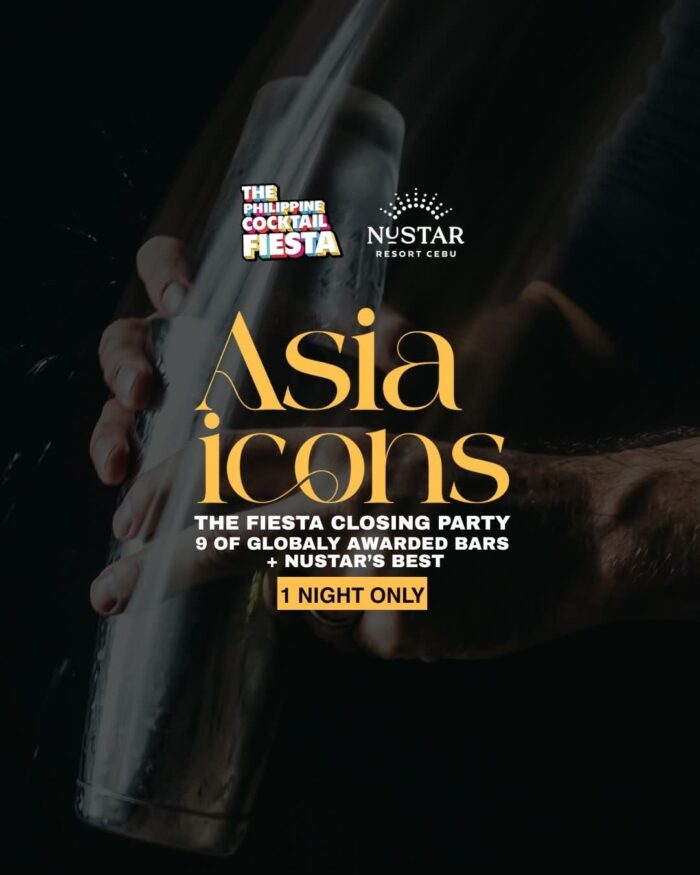 NUSTAR Resort Cebu to Host Nine of Asia’s Award-Winning Bars for One-Night Cocktail Fiesta
Held at the Grand Ballroom of NUSTAR Resort Cebu, the event will feature internationally recognized bartenders, signature cocktails, and premium drinking experiences. The festival will take place in Cebu for the first time, expanding beyond Metro Manila and bringing the region’s cocktail scene to the Queen City of the South.
 Angeline Tan
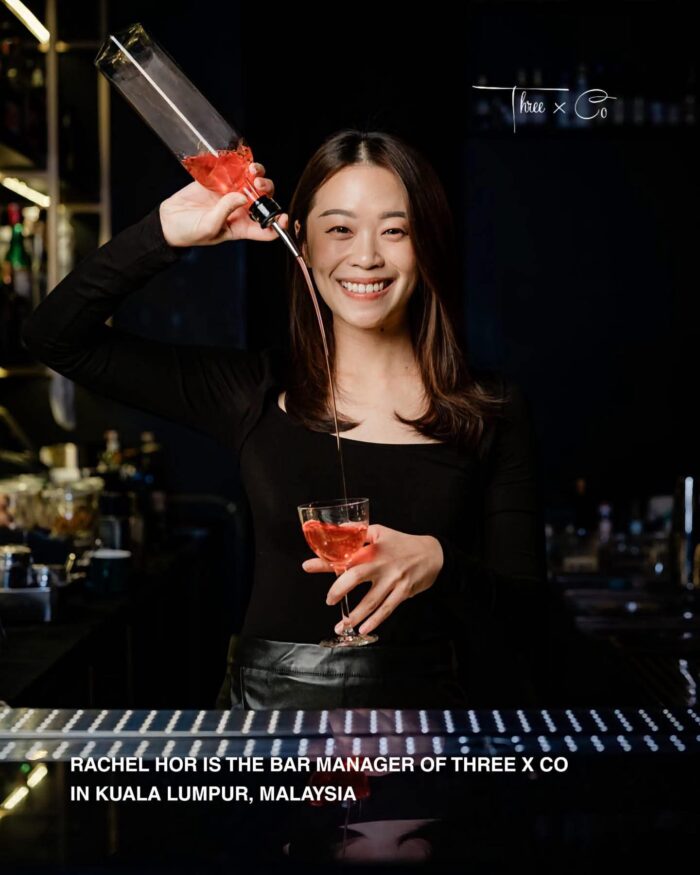 Rachel Hor
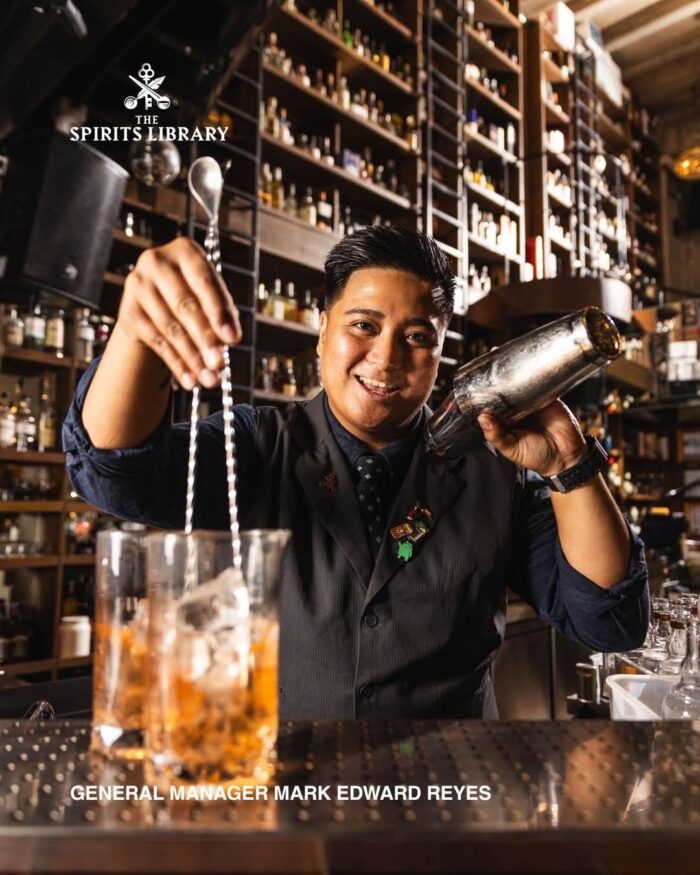 Mark Edward Reyes
Asia’s Best Bars Gather in Cebu
Leading the international lineup is Hope & Sesame from Guangzhou, China, ranked No. 1 on Asia’s 50 Best Bars 2026 and named The Best Bar in Asia 2026.
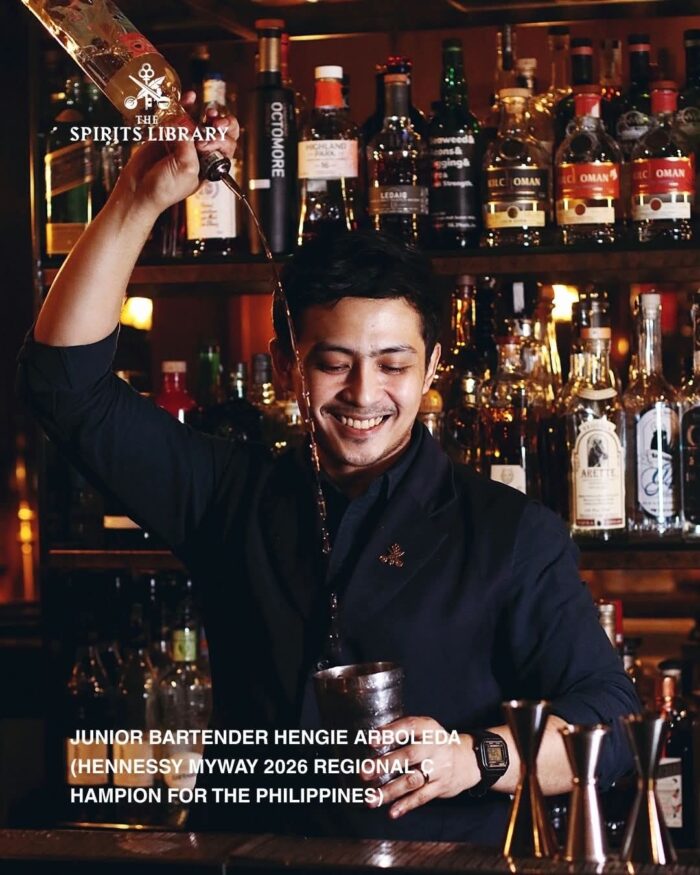 Hengie Arboleda
Joining the event are Bar Us from Bangkok, ranked No. 6; Coa from Hong Kong, ranked No. 24; and Three X Co from Kuala Lumpur, ranked No. 32. Singapore’s BOP (Bartenders of Pony), ranked No. 52 on the extended 51–100 list of Asia’s 50 Best Bars 2026, will also participate.
 Cedric Mendoza
Several notable names from the regional cocktail scene will represent the Philippines. Problem Child, ranked No. 44 on Asia’s 50 Best Bars 2026 and named The Best Bar in the Philippines 2026, will lead the local lineup. The Spirits Library, ranked No. 98 on the extended list, will also take part, alongside ReCraft and Raion, both featured on 50 Best Discovery.
 Jay Khan
Together, the nine bars will let guests experience a diverse selection of cocktail styles and techniques from across Asia in one venue.
NUSTAR’s Cocktail and Entertainment Scene Takes Center Stage
NUSTAR Resort Cebu will complement the visiting bars with its own dining, beverage, and entertainment concepts, including Mott 32, Axis Entertainment & Sports Bar, Fili Lobby Lounge, and NUSTAR Lobby Lounge.
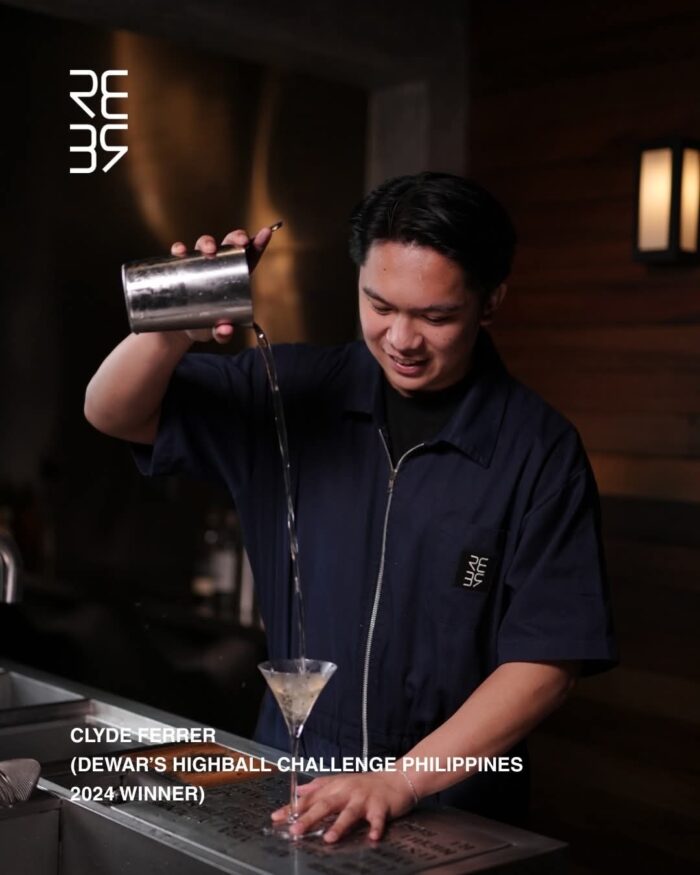 Clyde Ferrer
The resort’s participation highlights its growing role as a destination for premium dining, entertainment, and cocktail experiences in Cebu. For cocktail enthusiasts and travelers seeking a distinctive nightlife experience, the closing party offers a chance to sample creations from some of the region’s recognized bars without leaving the city.
 Geumseong Liu
 Eagle Cheng
Event Details and Ticket Information
Asia Icons: The Fiesta Closing Party will take place on November 15, 2026, from 7:00 PM to 1:00 AM at the Grand Ballroom of NUSTAR Resort Cebu.
Tickets are priced at PHP 1,999 nett per person, inclusive of cocktails from participating bars and free-flowing pours from NUSTAR. Food will be available for purchase. Groups can also take advantage of a Buy 10 Tickets, Get 1 Free offer.
Tickets are available through the official booking page at https://nstr.ph/AItfcp.
Mott 32 Cebu to Host Guest Shift with Beijing’s Bar Long Fong
Before the grand finale, Mott 32 Cebu will host a special guest shift on November 13, 2026, from 5:00 PM to 7:00 PM.
The two-hour collaboration will bring together Fan Zhu, co-founder of Beijing’s award-winning Bar Long Fong, and Jay Natividad, Mott 32 Cebu’s award-winning Head Mixologist. The session will showcase their individual approaches to cocktail-making and give guests an opportunity to experience their techniques and creations.
Bar Long Fong ranked No. 96 on the extended Asia’s 50 Best Bars 2026 list. The bar also received the Bar of the Year and Best Cocktail Menu awards at the 2023 North Regional DRiNK Awards.
Open to the public, the guest shift adds another highlight to Cebu’s cocktail calendar and lets local enthusiasts experience internationally recognized bartending talent in an intimate setting.
With a lineup of celebrated Asian bars, local cocktail talent, and special guest appearances, The Philippine Cocktail Fiesta 2026 brings a major regional cocktail gathering to Cebu. Visitors can check nustar.ph or follow NUSTAR Resort Cebu on Facebook and Instagram for additional event information and updates.
Follow #TeamOutofTown on Facebook, Twitter, Instagram, and Pinterest for more travel ideas.
Also read:
BWH Hotels Unveils Global Transformation, Bringing 4,000 Hotels Under WorldHotels
BANGKOK, Thailand – BWH Hotels has announced a major global transformation that will bring more than 4,000 hotels across 100 countries and 18 brands under the WorldHotels masterbrand and a unified loyalty program.
 Best Western Plus Metro Clark
The strategic shift aims to improve brand recognition, simplify hotel discovery for travelers, and provide property owners with stronger global marketing and digital capabilities. The company will continue to preserve the distinct identities of its independent hotels while making it easier for guests to explore its international portfolio.
According to Larry Cuculic, President and Chief Executive Officer of WorldHotels, the transformation responds to the need for a clearer and more connected brand experience. By bringing its brands, loyalty program, and digital services together, the company aims to help travelers find suitable accommodations for different trips while helping hotel owners reach a wider audience.
Local Hospitality Meets Global Reach
WorldHotels is placing local expertise at the center of its global strategy. Rather than standardizing every property, the company aims to highlight each hotel’s character and its teams’ destination knowledge.
The initiative will make it easier for travelers to discover neighborhood recommendations, local attractions, and experiences through the company’s digital platforms. These insights come from hotel teams with firsthand knowledge of their destinations.
Existing property identities, signage, and recognizable hotel flags will remain unchanged. The expanded platform is intended to improve visibility across the portfolio, encourage direct bookings, and strengthen relationships between hotels and guests.
For travelers, this approach offers a more connected way to explore different destinations while retaining the distinctive experiences associated with independent properties.
WorldHotels Rewards to Launch on January 5, 2027
A key part of the transformation is WorldHotels Rewards, a unified loyalty program scheduled to launch on January 5, 2027. The new program will combine Best Western Rewards and WorldHotels Rewards, bringing together approximately 70 million existing members.
The program will introduce three streamlined membership tiers and offer a more consistent rewards experience across the expanded hotel portfolio.
The company says it will protect existing benefits, including status matching, member rates, and points that never expire. Members will also retain their existing points value and gain additional opportunities to earn points across the connected network.
The unified program is designed to make it easier for members to discover participating properties and access loyalty benefits while traveling across different markets.
 Bai Hotel Cebu
WorldHotels said it would announce additional details about the program on November 16, 2026.
Joelle Park, Chief Marketing Officer of WorldHotels, said the program was developed using consumer research and member feedback, with an emphasis on transparency, ease of use, and recognition across the portfolio.
For frequent travelers, the transition could make it easier to manage loyalty benefits across a broader selection of hotels. Members should review the forthcoming program details for information about membership tiers, earning opportunities, and how existing benefits will be treated.
New Website and Mobile App to Improve Hotel Discovery
BWH Hotels is also investing in digital infrastructure to support the unified loyalty program and improve the overall guest experience.
The initiative includes a new website, a redesigned mobile app, and a proprietary discovery platform developed using more than 10,000 hours of insights gathered from hotel teams worldwide.
The platform helps travelers explore hotels, neighborhoods, and destination experiences while managing reservations and loyalty activities in one connected environment.
By combining hotel recommendations, booking functions, and rewards information, WorldHotels aims to make its portfolio easier to navigate. The digital upgrades are also expected to improve direct-booking opportunities and increase the international visibility of participating hotel owners.
The emphasis on local recommendations reflects the company’s strategy of using technology to connect travelers with destination knowledge without removing the individual character of each property.
WorldHotels Collection Brings Independent Luxury Hotels Together
The transformation will also strengthen the positioning of the company’s upscale and luxury properties under WorldHotels Collection.
The collection will include six categories:
- WorldHotels Luxury: Properties positioned in the luxury hospitality segment.
- WorldHotels Elite: Hotels serving travelers seeking elevated accommodations and experiences.
- WorldHotels Distinctive: Properties with individual character and a strong sense of place.
- WorldHotels Crafted: Hotels distinguished by their unique concepts and hospitality experiences.
- WorldHotels Backdrop: Accommodations in distinctive destinations, emphasizing immersive natural surroundings and elevated stays.
- WorldHotels Residences: Residential offerings combining private homeownership with luxury hospitality services and brand affiliation.
The collection gives independent hotel owners access to a wider global network, including technology, distribution, and marketing resources, while letting them preserve their individual identities.
Ron Pohl, President of WorldHotels Collection, said the strategy focuses on helping exceptional independent properties compete internationally without sacrificing the personalized experiences that distinguish them from standardized hotel offerings.
New Opportunities in Luxury Residences and Destination Stays
Two areas receiving particular attention are WorldHotels Residences and WorldHotels Backdrop.
WorldHotels Residences combines private homeownership with luxury hospitality services and brand affiliation. The concept expands the company’s reach into residential hospitality, offering owners development opportunities to connect residential properties to an established international hotel network.
 WorldHotels Rewards
WorldHotels Backdrop focuses on distinctive destinations where natural surroundings and elevated accommodations are central to the guest experience.
Both categories aim to broaden the company’s appeal among developers, property owners, and independent hospitality operators seeking global distribution and brand recognition.
These initiatives also reflect a broader emphasis on accommodation options beyond conventional hotel stays, including branded residences and properties that connect guests more closely with their surroundings.
What the Transformation Means for Travelers
BWH Hotels’ move to unite its portfolio under WorldHotels introduces several changes that travelers should watch as the new platform rolls out.
A broader hotel network: Travelers will have a more connected way to discover properties across the company’s portfolio of more than 4,000 hotels in 100 countries.
A unified loyalty experience: WorldHotels Rewards will bring approximately 70 million existing members together under one program, with launch scheduled for January 5, 2027.
More accessible destination insights: The upgraded website, mobile app, and discovery platform are designed to help guests find hotels and local experiences suited to their trips.
More independent luxury options: WorldHotels Collection will organize upscale and luxury properties under six categories, including dedicated platforms for residences and distinctive destination stays.
Continuity for existing hotels: Individual property identities and signage will remain unchanged, allowing travelers to continue recognizing familiar hotels while benefiting from the broader network.
Travelers who currently participate in Best Western Rewards or WorldHotels Rewards should watch for the detailed program announcement expected on November 16, 2026. Reviewing the new terms before the January 2027 launch will help members understand how their existing status, points, and benefits will carry forward.
A New Chapter for Global Hospitality
BWH Hotels’ transformation marks a significant shift in how the company presents its international portfolio, engages loyalty members, and supports independent hotel owners.
By bringing its brands and rewards program together under WorldHotels, the company aims to create a more recognizable global platform while preserving the local character of its properties.
Next milestones include releasing additional WorldHotels Rewards details in November 2026 and launching the program on January 5, 2027. These developments will provide travelers with a clearer picture of how the unified network and digital upgrades will shape future hotel discovery and loyalty experiences.
Follow and subscribe to OutofTownBlog.com on Facebook , Twitter, Instagram, Pinterest, and YouTube for more Travel-related updates.
Read:
Early third-quarter earnings show a 'resilient' U.S. consumer, with signs of strain
A customer pushes a shopping cart with cases of Coca Cola outside a Walmart Supercenter retail store in North Bergen, New Jersey, U.S., Nov. 21, 2025.
Mike Segar | Reuters
One word keeps appearing in third-quarter earnings reports: "resilient."
That's the early read on U.S. consumers from various companies that released their results this week. Many businesses say Americans are still spending despite inflationary pressures, though not every company has enjoyed the same success.
The commentary comes amid fears that diesel fuel prices, which hit an all-time high of $6.52 per gallon in September, would drive up prices on consumer products. Economists also worried that more expensive regular gas, combined with high borrowing costs and continued tension between the U.S. and Iran, would spur a pullback in consumer spending.
Retail sales rose 0.8% in September, following a jump of 1.3% in August. Sales in September were boosted by rising gas station spending. Despite all those challenges, some corporate executives say the headwinds aren't yet affecting sales.
While retail sales rose 0.8% in September, following a jump of 1.3% in August, the September came as gas station spending jumped. Despite all those challenges, some corporate executives say the headwinds aren't yet affecting sales.
"There's been a lot of noise in the market this year. There's a lot of geopolitical stuff," Royal Caribbean Chairman and CEO Jason Liberty said on the company's earnings call on Tuesday. "But I look at our business [and our results], and I think that really talks to the resilience of the business, the resilience of the consumer."
Royal Caribbean reported an increase in bookings during its third quarter, while Sherwin-Williams's CEO said the quarter was evidence of the company's strength.
Here's how companies are reading the consumer in the most recent three-month period:
Coca-Cola
The food and beverage company beat analysts' expectations for third-quarter earnings and revenue despite what CEO Henrique Braun called an "uneven environment."
Coca-Cola reported that North America unit case volume was flat, indicating demand was steady in the face of higher prices. The company's overall unit case volume was helped by higher demand outside of North America.
"The underlying momentum remains quite strong," CFO John Murphy told CNBC. "Consumer sentiment is largely unchanged in the sense that, wherever you are on the income scale, you're looking for value, and I think our system here has done a good job interpreting that."
The company increased its full-year forecast and now expects its comparable earnings per share to grow at least 11%, up from a prior forecast of growth between 9% and 10%.
Royal Caribbean
The cruise company beat Wall Street's expectations for earnings per share and narrowly missed on revenue.
"Our third quarter results reflect continued strong consumer demand for our vacation experiences and the accelerated momentum across our industry leading brands," CEO Liberty said in the release.
The company reported that the number of guests served in the third quarter increased 9% year over year to 2.7 million vacationers and said booking volumes for 2027 were already "up in the high teens," pacing ahead of historical levels and indicating high travel demand.
"It's not that we don't see points of challenges, but really what we've seen is that even in those points of challenges, the consumer comes roaring back as relates to the vacation experiences," Liberty told CNBC's "Squawk on the Street" following the report.
Royal Caribbean shares rose over 8% in Tuesday trading.

watch now
Sherwin-Williams
Sherwin-Williams beat analysts' expectations for revenue but fell short of expected earnings per share.
Sherwin-Williams CEO Heidi Petz said in the company's earnings release that the paint retailer's performance demonstrated "the resilience of our Company and the strength of our strategy in a challenging demand environment."
"Despite muted underlying market volumes, we continued to win new customers, increase share-of-wallet and deliver sales growth across all three reportable segments," she said.
Net sales increased 7.9% from the same period last year. The company attributed the gain to higher selling prices, but the benefits to profits were partially offset by increased costs of raw materials and supply-chain related expenses.
And the company maintained full-year guidance, saying "customer sentiment and the leading indicators we track point to muted demand over the remainder of the year and into 2027."
UPS
A worker drives a United Parcel Service (UPS) truck on Oct. 28, 2025 in Los Angeles, California.
Mario Tama | Getty Images
UPS beat Wall Street expectations for both earnings per share and revenue in the third quarter.
Revenue in the U.S. rose 4.5% during the period to $14.86 billion.
CEO Carol Tomé told investors on the company's earnings call that consumers remain "resilient" ahead of the holiday season, the company's busiest period. She said the company expects that average daily shipping volume will grow next quarter at a rate consistent with last year. However, fourth-quarter domestic average daily volume will likely fall due to reducing deliveries with Amazon, she said.
UPS has been in the midst of unwinding its partnership with Amazon at the same time it's executing a broad turnaround effort to operate more leanly.
The company raised its full-year forecast for the second quarter in a row, projecting consolidated revenue of approximately $92.6 billion, up from its previous expectations of $91.2 billion.
Shares rose more than 4% in Tuesday trading.
Whirlpool
Not every company is seeing the same spending trends, however.
Appliance maker Whirlpool missed on both the top and bottom lines for its third quarter and cut its full-year revenue guidance.
Net sales in North America fell more than 8% year over year during the period ending on Sept. 30.
Even still, the company cited its own read on "resilience."
"Through disciplined working capital management, we are protecting our year end free cash flow and
our balance sheet resilience to navigate challenging market conditions," CFO Roxanne Warner said in the earnings release.
Shares were down nearly 1% in Tuesday trading.
— CNBC's Amelia Lucas and Laya Neelakandan contributed to this report.
TNT and Viva Launches SayaOke With 48 Finalists Competing for Cash Prizes and a Recording Contract
TNT and Viva have advanced their nationwide karaoke competition, SayaOke, to the next stage, with 48 aspiring singers from Luzon, Visayas, and Mindanao moving on to weekly live showdowns powered by TNT 5G.
 TNT SayaOke Execs with Lyca and Krissha
Selected from auditions submitted through the Vivaoke app, the finalists will compete for PHP 300,000 in cash prizes at each weekly showdown. Beyond the monetary rewards, the competition gives emerging Filipino performers a chance to showcase their singing to a nationwide audience.
The competition will feature 24 finalists from Luzon, 12 from Visayas, and 12 from Mindanao, highlighting its reach across the Philippines and its goal of discovering promising local talent.
One SayaOke Winner Could Land a Viva Recording Contract
Aside from the weekly cash prizes, SayaOke offers aspiring musicians a potential pathway into the Philippine music industry. From the seven weekly winners, Viva will select one contestant to receive a recording contract.
Lloyd R. Manaloto, FVP and OIC at Smart Communications, Inc., said the competition provides aspiring singers with a platform to showcase their abilities and connect with audiences.
Powered by TNT 5G, SayaOke also demonstrates how mobile connectivity can bring people together through entertainment and shared interests.
 Krissha Viaje
MG Mozo, president of Viva Music Publishing, Inc., said the partnership aims to discover promising Filipino performers and give them an opportunity to pursue a professional music career.
The recording contract could provide a significant stepping stone for the selected winner, particularly for aspiring artists looking to move beyond local competitions and reach a broader audience.
Lyca Gairanod and Krissha Viaje Encourage Singers to Pursue Their Dreams
Viva artists Lyca Gairanod and Krissha Viaje joined the SayaOke announcement and shared insights from their entertainment industry experiences.
Gairanod, a singing champion whose recent viral song “Puede Nang Mangarap” has reached online audiences, highlighted the importance of opportunities that allow Filipino performers to share their talent.
She emphasized that a single opportunity can help aspiring singers move closer to their goals. Competitions such as SayaOke give participants a chance to reach more people, build confidence, and encourage others to pursue their dreams.
Viaje, a cast member of the Viva One series Our Yesterday’s Escape, also reflected on her experience pursuing singing from a young age and competing in contests in the Philippines and abroad.
She stressed that patience, hard work, and self-confidence are essential for anyone hoping to succeed in the entertainment industry. She also encouraged aspiring performers to take advantage of opportunities to demonstrate their abilities.
Their experiences underscore the importance of persistence and visibility for emerging artists, especially as digital platforms create more ways to discover and support new talent.
 Lyca Gairanod
How to Vote for SayaOke Finalists and Join the Raffle Promo
TNT subscribers can support their favorite SayaOke contestants by watching the weekly live showdowns on TikTok Live and using voting credits earned through loading select TNT promos.
The voting system lets viewers participate in the competition while cheering for their preferred performers.
Subscribers can also join the SayaOke raffle promo by texting RAFFLE to 5858 for a chance to win prizes, including cash, 5G smartphones, motorcycles, and e-bikes.
Interested participants should check the official SayaOke website for the latest mechanics, eligibility requirements, promo terms, and updates on the live showdowns.
TNT 5G Powers SayaOke’s Live Singing Battles
The SayaOke Birit Booths used for the competition’s live showdowns are powered by TNT 5G, supporting real-time singing battles among aspiring performers.
TNT continues to expand its 5G network, with recent rollouts in Iloilo City, Bacolod City, Davao City, and Zamboanga City.
TNT 5G is powered by Smart Communications, which Ookla recognized for delivering the Best Mobile Video Experience in the Philippines in the first half of 2026. Smart recorded a Video Score of 72.82, the highest among mobile operators in the country, according to the announcement.
The technology supports the competition’s digital format, connecting performers and audiences through live online entertainment.
Where to Watch SayaOke
Viewers can follow SayaOke’s weekly live showdowns on TikTok Live and use eligible TNT voting credits to support their favorite finalists. Subscribers can also check the official website for raffle details and competition updates.
For more information, visit sayaoke.tntph.com.
With 48 finalists competing for weekly cash prizes and one potential recording contract, SayaOke gives aspiring Filipino singers a chance to reach a wider audience.
Follow the Out of Town Travel Blog on Facebook, Twitter, Instagram, and Pinterest for more travel and food-related updates.
Read:
Dwarika’s Sanctuary: Nepal’s First Luxury Wellbeing Retreat Brings Himalayan Traditions to Modern Wellness
Nepal is gaining recognition as a luxury wellness travel destination, and Dwarika’s Sanctuary offers a retreat that blends Himalayan landscapes, traditional healing practices, and immersive cultural experiences. Located in the hills above Dhulikhel, approximately an hour from Kathmandu Airport, the property invites travellers to explore a more holistic approach to wellbeing.
 Dwarika’s Sanctuary
As part of The Dwarika’s Collection, the retreat draws on Hindu and Buddhist philosophies that have shaped life in Nepal for thousands of years. Its programmes combine Ayurvedic therapies, yoga, meditation, spiritual rituals, and nature-based activities, offering an alternative to technology-driven wellness experiences.
Guests can choose a short three-night retreat or an extended stay focused on rest, reflection, and cultural discovery. Combined with a visit to the original Dwarika’s Hotel in Kathmandu, the experience introduces travellers to Nepal’s architectural heritage, contemporary creative scene, and traditional approaches to living well.
 Dwarika’s Sanctuary
Kathmandu: Where Nepal’s Cultural Journey Begins
Before heading to the mountains, guests can begin their journey at The Dwarika’s Hotel in Kathmandu, a property known for its commitment to preserving traditional Newari architecture and craftsmanship.
 The Dwarika’s, Kathmandu
Founded in the early 1970s by Dwarika Das Shrestha, the hotel was established to protect historic architectural elements and artisanal techniques threatened by modern development. Its collection includes salvaged pillars, windows, doors, and intricately carved wooden details sourced from across the Kathmandu Valley.
The hotel’s courtyard remains a defining feature, showcasing traditional woodcarving that depicts gods, mythical creatures, and animals. Evening flute performances add to the atmosphere, creating a setting that reflects Nepal’s cultural heritage.
Under the leadership of founder’s grandson René Vijay Shrestha Einhaus, The Dwarika’s offers guests opportunities to explore Kathmandu beyond its usual tourist attractions. Visitors can learn about the property’s history over tea with René Vijay or participate in hands-on woodcarving sessions with master artisans.
 Dwarika’s Sanctuary in Kathmandu
The cultural itinerary can also include visits to nearby temples, the Buddha Stupa, Bhaktapur, and Durbar Square. These experiences provide insight into the Hindu and Buddhist traditions that inform the retreat’s wellbeing programmes.
The Dwarika’s Collection also highlights contemporary Nepal through visits to emerging art galleries, ethical fashion initiatives, and restaurants that reinterpret Newari cuisine. These experiences present Kathmandu as a destination in its own right, not simply a stopover for Himalayan trekking adventures.
What Is Himalayan Wellbeing?
As global wellness trends increasingly focus on longevity, biometric tracking, and advanced treatments, Dwarika’s Sanctuary takes a different approach. Its philosophy centres on the relationship between physical health, mental balance, spirituality, and the natural environment.
Nepal’s long-standing Hindu and Buddhist traditions provide the foundation for the retreat’s programmes. Rather than presenting wellness practices as isolated treatments, the property introduces them within their broader cultural and philosophical contexts.
A central concept is Pancha Kosha, a Hindu teaching that describes wellbeing through five interconnected layers of human existence:
- Annamaya Kosha: The physical body.
- Pranamaya Kosha: Vital energy and breath.
- Manomaya Kosha: The mind and emotions.
- Vijnanamaya Kosha: Insight and discernment.
- Anandamaya Kosha: Bliss and inner fulfilment.
At Dwarika’s Sanctuary, this framework informs experiences involving movement, sound, meditation, therapeutic treatments, and time spent in nature. The aim is to encourage guests to consider wellbeing as a connected experience rather than a collection of individual services.
Guests can consult resident Ayurvedic practitioners and participate in activities inspired by traditional spiritual practices. The programme may include Himalayan hot-stone therapy, a Shakti Renewal Journey, Panchakosha Newari massage, yoga overlooking the mountains, and sound therapy in a dedicated chamber.
Other experiences include breathwork inside a house constructed from Himalayan rock salt and a meditative walk through a Shiva Lingam-inspired maze influenced by the symbolism of Pashupatinath Temple.
The retreat also offers opportunities to visit a nearby Buddhist monastery, where guests can share an informal meal with monks and speak with a khenpo, a Buddhist scholar. These encounters provide a closer look at monastic life and the role of contemplation in the region’s spiritual traditions.
The resident priest leads a morning ritual focused on the traditional practice of balancing the nine planetary influences. Together, these activities introduce guests to the cultural context behind Himalayan wellbeing.
 The Spa at Dwarika’s Sanctuary
Inside Dwarika’s Sanctuary
Near Dhulikhel, a historic town on the old Tibet trading route, Dwarika’s Sanctuary sits on a hillside surrounded by forests, terraced fields, and mountain scenery.
The retreat comprises individual bungalows designed to connect guests with the landscape. Terraces, garden decks, and lounges offer spaces to enjoy panoramic Himalayan views and sunsets, while bedroom layouts use natural morning light.
Interiors feature locally made fabrics and linens, along with decorative details inspired by Nepali traditions. Rudraksha beads, traditionally associated with Lord Shiva, appear on curtains as part of the property’s cultural design elements.
 A Suite at Dwarika’s Sanctuary
Sustainability also plays an important role in the retreat’s hospitality approach. The buildings incorporate sustainably sourced timber, handmade bricks, and bamboo. Natural fabrics, including jute and hemp, also feature in the interiors.
The property’s locally inspired approach extends to in-room amenities. The property produces soaps, body creams, and shampoos in-house using ingredients tied to Nepal’s botanical heritage, including Himalayan salts, black rice, rhododendron, fenugreek, essential oils, and plant extracts. Some herbs are grown on the property’s own farm.
These details reflect an emphasis on local materials, traditional craftsmanship, and connections between the surrounding environment and the guest experience.
Organic Dining Inspired by the Himalayas
Food is another important part of the Dwarika’s Sanctuary experience. The retreat operates three restaurants offering different culinary styles, with menus that incorporate produce from The Dwarika’s Collection’s network of six organic farms across Nepal.
Nature’s Flavours serves international dishes, while Mako’s specialises in Japanese omakase dining. Ananta Poolside offers fusion cuisine in a relaxed setting.
The emphasis on fresh, local, organic, and seasonal ingredients connects the dining experience to the retreat’s broader wellbeing philosophy. Rather than treating food as a separate element of a wellness programme, the property incorporates it into the overall experience of staying close to nature.
Guests can also visit Darimbot Farm, the group’s second-largest farm. The experience includes a gentle hike through terraced fields and forest paths, an introduction to the orchards and growing areas, and opportunities to participate in harvesting activities when available.
The visit concludes with a meal prepared by the farmers, showcasing seasonal ingredients and local culinary traditions. It offers guests a closer look at the agricultural practices that support the retreat’s dining programme.
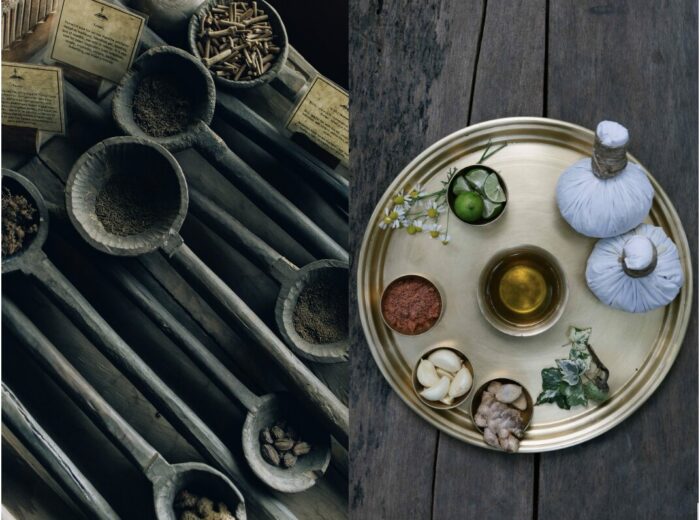 Locally sourced ingredients used in wellbeing practices
A Luxury Wellness Escape Near Kathmandu
Dwarika’s Sanctuary offers an alternative way to experience Nepal, combining luxury accommodation with cultural immersion, traditional wellbeing practices, and access to the Himalayan landscape.
For travellers seeking more than a conventional spa holiday, the retreat provides opportunities to explore yoga, meditation, Ayurveda, Buddhist traditions, and locally sourced cuisine in its cultural setting. Its proximity to Kathmandu also lets guests combine a wellness stay with the city’s architectural landmarks, artisan workshops, and contemporary creative spaces.
The experience can appeal to wellness-focused travellers, luxury holidaymakers, and visitors looking to unwind after a Himalayan trek. By pairing the historic Dwarika’s Hotel with the hillside sanctuary, The Dwarika’s Collection presents a journey that connects Nepal’s cultural heritage with its growing appeal as a luxury wellness destination.
Dwarika’s Sanctuary Rates
According to the supplied property information, packages combining a stay at The Dwarika’s Hotel in Kathmandu with a three-day retreat at Dwarika’s Sanctuary start at approximately USD 3,802 for a solo traveller and USD 4,750 for two people sharing an entry-level room during peak season.
Rates are indicative and may vary according to travel dates, room availability, package inclusions, and seasonal demand. Travellers should confirm the latest prices and inclusions directly with the property before booking.
Kathmandu Travel Tour Packages You Should Try
Follow and subscribe to OutofTownBlog.com on Facebook , Twitter, Instagram, Pinterest, and YouTube for more Travel-related updates.
Read:
Italy Food Guide: Regional Dishes Every Traveler Should Try
Italian food is a highlight of traveling through Italy, but the country’s culinary identity extends far beyond pizza, pasta, and gelato. Each region has distinctive specialties shaped by its geography, agricultural traditions, local ingredients, and cultural history.
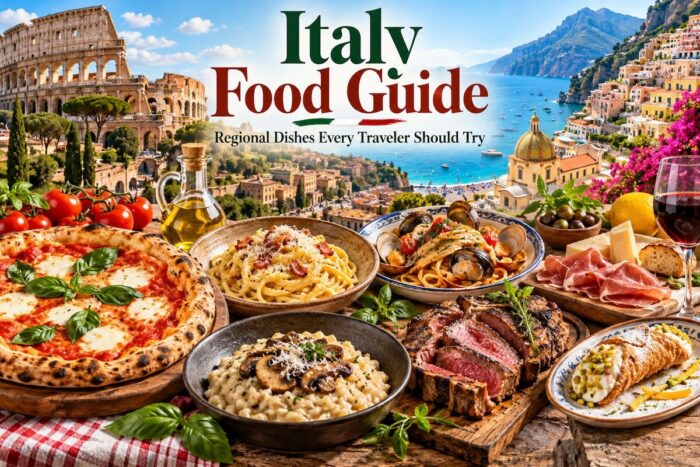 Italy Food Guide: Regional Dishes Every Traveler Should Try
Northern Italy is known for dishes featuring rice, butter, polenta, and mountain cheeses. Central Italy offers handmade pasta, rustic soups, grilled meats, and recipes rooted in rural traditions. Southern Italy showcases tomatoes, olive oil, seafood, and durum-wheat pasta, while Sicily and Sardinia preserve culinary traditions influenced by centuries of trade and cultural exchange. These differences make eating your way across Italy an essential part of the travel experience. Italy’s official tourism portal also highlights the country’s regional food traditions as an important part of its cultural identity.
From Bologna’s handmade pasta to Naples’ iconic pizza and Sicily’s famous pastries, these 25 regional Italian dishes offer a practical introduction to the country’s diverse food culture. Each dish tells a story about where it developed and the people who still prepare it.
1. Risotto alla Milanese: Lombardy’s Saffron Rice
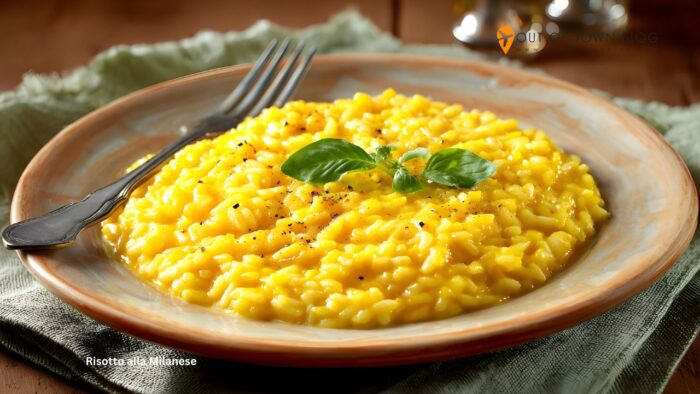 Risotto alla Milanese
Region: Lombardy
Best known in: Milan
Risotto alla Milanese is one of northern Italy’s most recognizable specialties. This creamy rice dish is made by gradually cooking rice with broth, butter, onion, and saffron. The saffron gives it a distinctive golden color and an earthy, aromatic flavor.
Unlike ordinary steamed rice, risotto requires attention throughout cooking. As it absorbs the broth, the rice releases starch, creating a creamy consistency without necessarily requiring cream. People often add butter and grated cheese at the end to enrich the texture.
The dish is closely associated with Milan, a city whose cuisine reflects the agricultural traditions of the Po Valley, where rice cultivation has long been important. Risotto alla Milanese is sometimes served alongside ossobuco, a slow-braised veal shank dish, but it is also enjoyed on its own.
Travelers visiting Milan should look for risotto alla Milanese in traditional trattorias. It is an excellent introduction to the richer, rice-based cooking associated with northern Italy.
2. Tagliatelle al Ragù: Bologna’s Handmade Pasta
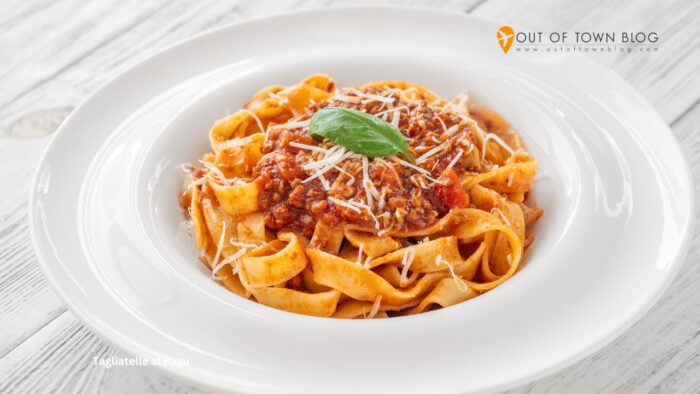 Tagliatelle al Ragu
Region: Emilia-Romagna
Best known in: Bologna
Tagliatelle al ragù is a classic dish from Bologna, Emilia-Romagna’s capital. It combines fresh egg pasta with a slow-cooked meat sauce made with beef, pork, onion, carrot, celery, tomato, and wine.
The sauce develops its flavor through extended cooking. Rather than being dominated by tomato, a traditional ragù emphasizes the meat’s richness, the vegetables’ sweetness, and the depth created by slow simmering.
Fresh tagliatelle has a slightly rough texture that helps the sauce cling to the pasta. The combination reflects Emilia-Romagna’s strong tradition of handmade egg pasta and carefully prepared meat sauces.
Outside Italy, people often associate ragù with spaghetti Bolognese. However, tagliatelle is the more characteristic pasta pairing in Bologna. Ordering the local combination offers a better introduction to the city’s culinary traditions.
For travelers interested in Italian food culture, this dish demonstrates how pasta shape and sauce are selected to complement one another rather than treated as interchangeable components.
3. Tortellini in Brodo: Emilia-Romagna’s Stuffed Pasta
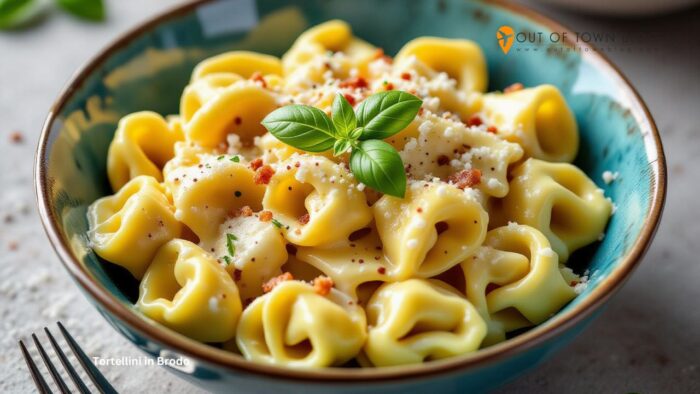 Tortellini in Brodo
Region: Emilia-Romagna
Best known in: Bologna and Modena
Tortellini are small, ring-shaped pasta parcels traditionally filled with a mixture that may include pork, cured ham, mortadella, cheese, and other seasonings. One classic way to serve them is in brodo, a clear meat broth.
Making tortellini requires skill. You must roll the pasta thinly, fill it carefully, and fold it into its distinctive shape. In many households, preparing them remains a special family activity, particularly around Christmas and other celebrations.
The broth provides a lighter counterpoint to the rich filling. It also keeps the pasta and its ingredients at the center of the dish.
Bologna and Modena are both associated with tortellini, and local traditions can differ in their preferred fillings and preparation methods. Instead of seeking one universal recipe, travelers can appreciate the variations across Emilia-Romagna.
Tortellini in brodo is particularly worth trying during cooler months. It offers a comforting alternative to pasta served with thick sauces and showcases the region’s long tradition of filled pasta.
4. Pesto alla Genovese: Liguria’s Basil Sauce
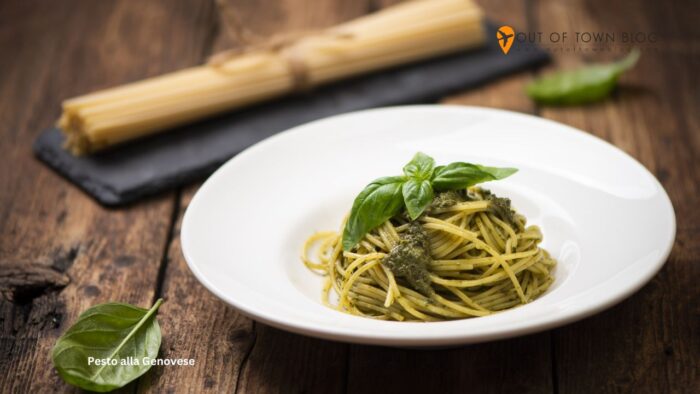 Pesto alla Genovese
Region: Liguria
Best known in: Genoa
Pesto alla Genovese is a fresh sauce traditionally made with basil, pine nuts, garlic, extra-virgin olive oil, cheese, and salt. It originates from Genoa, the capital of Liguria, a coastal region known for its herbs, olive oil, and seafood.
Traditionally, people crush the ingredients together, historically using a mortar and pestle. This technique releases the basil’s fragrance while combining the ingredients into a rich green sauce.
People commonly serve pesto with trofie, a short, twisted pasta associated with Liguria. It can also accompany trenette, another regional pasta. Some preparations add potatoes and green beans to the pasta, creating a more substantial meal.
The sauce stands out for relying on fresh herbs and olive oil rather than a tomato base or long cooking time. Its flavor is aromatic, slightly nutty, and savory.
Travelers visiting Genoa should try pesto with a pasta shape commonly associated with the region. The combination offers a taste of Ligurian cooking, where simple ingredients and careful preparation create dishes with a strong regional identity.
5. Focaccia Genovese: Genoa’s Olive Oil Bread
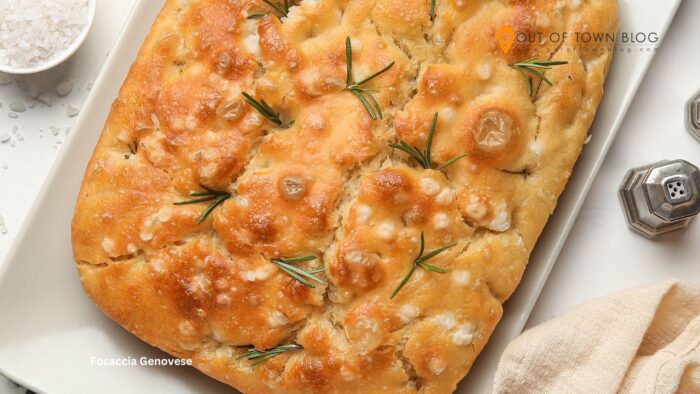 Focaccia Genovese
Region: Liguria
Best known in: Genoa
Focaccia Genovese is a flatbread known for its golden surface, soft interior, and generous use of olive oil. It is typically seasoned with salt and may feature small indentations across the dough that help retain moisture and oil during baking.
Unlike heavily topped versions of focaccia found elsewhere, the Genoese style is often relatively simple. Its appeal comes from the balance of bread, olive oil, salt, and a lightly crisp exterior.
Focaccia has long been part of everyday Ligurian food culture. People eat it at breakfast, as a snack, or alongside other dishes. Bakeries often sell it by weight, making it easy for travelers to purchase a portion while exploring the city.
The bread reflects the importance of wheat, olive oil, and bakery traditions in coastal Ligurian cuisine.
For visitors, freshly baked focaccia is one of the easiest regional foods to enjoy without planning a restaurant meal. Try it warm from a bakery to appreciate its texture and aroma.
6. Risotto al Nero di Seppia: Veneto’s Black Seafood Risotto
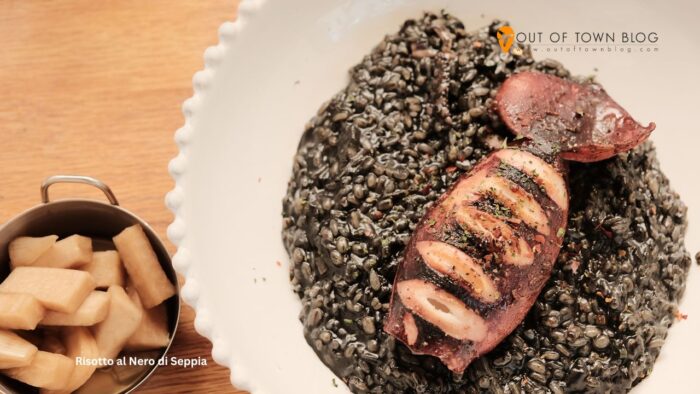 Risotto al Nero di Seppia
Region: Veneto
Best known in: Venice and coastal Veneto
Risotto al nero di seppia is a dramatic seafood dish made with rice and cuttlefish ink. The ink gives the risotto its deep black color and contributes a distinctive briny flavor.
The preparation often includes cuttlefish, onion, olive oil, broth, and wine. As the rice cooks, it absorbs the liquid and becomes creamy. The seafood provides additional texture and flavor, while the ink gives the dish its unmistakable appearance.
Venice’s historic relationship with the lagoon and Adriatic Sea has shaped its cuisine. Seafood is central to many traditional dishes, and local cooks have developed ways to use a wide variety of marine ingredients.
Risotto is especially interesting for travelers who want something beyond familiar tomato-based pasta or grilled seafood. Its appearance can be surprising, but its flavor is generally savory rather than overwhelmingly fishy.
When visiting Venice, look for this dish in restaurants serving traditional Venetian cuisine. Enjoy it freshly prepared, while the rice remains creamy.
7. Cicchetti: Venice’s Small Bites
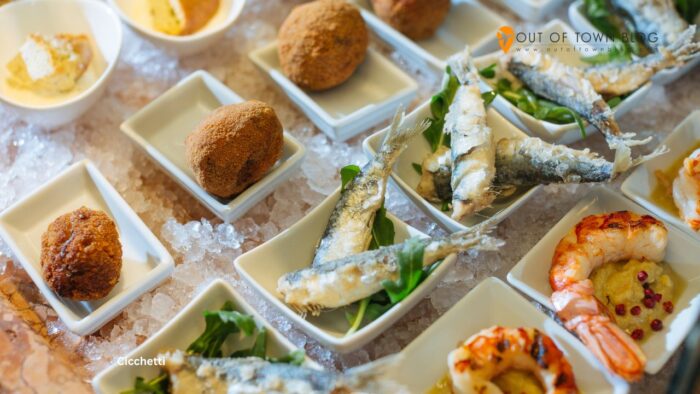 Cicchetti
Region: Veneto
Best known in: Venice
Cicchetti are small portions of food served in Venetian bars known as bacari. They are not one specific recipe but a collection of snacks that can include seafood, cured meats, cheeses, vegetables, and small pieces of bread topped with savory ingredients.
Popular examples include baccalà mantecato, a creamy preparation of salt cod, and crostini topped with fish or other regional ingredients. The selection varies by establishment and season.
Cicchetti are connected to Venice’s social dining culture. Locals may stop at several bars, enjoying a small bite and a drink at each rather than sitting down for a full multi-course meal.
For travelers, cicchetti offer a flexible way to sample several flavors in one afternoon. They are especially useful when exploring Venice’s narrow streets, where small neighborhood bars offer a more casual alternative to formal restaurants.
Cicchetti don’t have a fixed menu across the city. Ask what is freshly prepared and choose a few different toppings to experience the variety of Venetian snack culture.
8. Vitello Tonnato: Piedmont’s Veal and Tuna Sauce
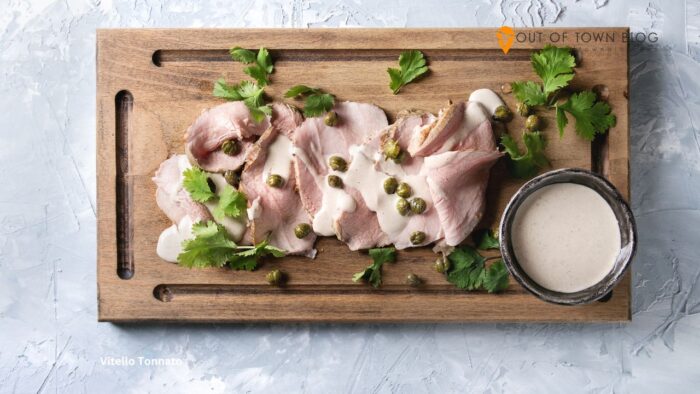 Vitello Tonnato
Region: Piedmont
Best known in: Turin and the surrounding region
Vitello tonnato is a traditional Piedmontese dish consisting of thin slices of cooked veal served cold with a creamy tuna-based sauce. The sauce often combines tuna, anchovies, capers, olive oil, and other ingredients, depending on the recipe.
The meat-and-fish combination may sound unusual to some travelers, but it has long been a feature of the dish. The tuna sauce adds a savory, slightly tangy note that complements the veal’s delicate flavor.
Vitello tonnato is often served as an antipasto, or starter, and is particularly associated with festive meals and traditional Piedmontese dining.
Piedmont’s culinary traditions include rich meat dishes, cheeses, rice, and seasonal ingredients such as truffles. Vitello tonnato offers a different experience from the region’s heavier stews and braised meats.
Travelers visiting Turin should look for it on menus featuring traditional regional cuisine. The dish is generally served chilled or at room temperature, making it especially appealing during warmer weather.
9. Fonduta Valdostana: Aosta Valley’s Melted Cheese Dish
 Fonduta Valdostana
Region: Aosta Valley
Best known in: Aosta and Alpine mountain towns
Fonduta Valdostana is a rich cheese preparation traditionally made with Fontina, the region’s distinctive cow’s milk cheese. It may use milk, butter, and egg yolks to create a smooth, warm mixture.
The dish reflects the Alpine region’s dairy farming traditions and the importance of cheese in mountain cooking. Fontina melts well and contributes a creamy texture and pronounced savory flavor.
Fonduta can be served as a shared dish with bread, vegetables, or other accompaniments. It is especially popular during colder weather, when hearty meals are part of the mountain dining experience.
Although it resembles Swiss fondue, the ingredients and preparation reflect the Aosta Valley’s own culinary identity. It is not simply a copy of a cheese dish from another country.
Travelers exploring the Italian Alps should try fonduta in a traditional restaurant or mountain inn. It is an ideal choice after hiking or skiing, especially when paired with local bread and other regional products.
10. Canederli: Trentino-Alto Adige’s Bread Dumplings
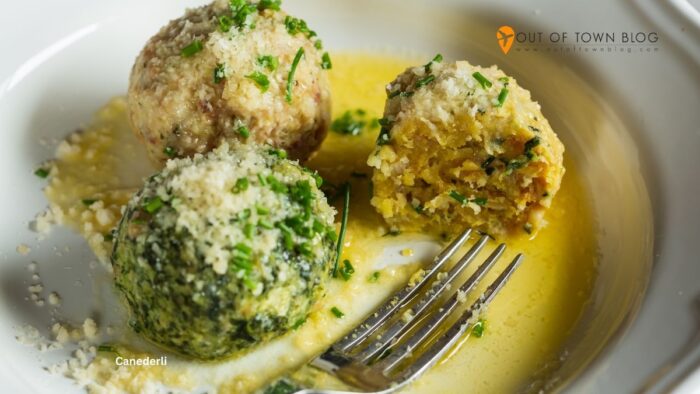 Canederli
Region: Trentino-Alto Adige
Best known in: Bolzano, Trento, and the Dolomites
Canederli are large dumplings typically made from stale bread, milk, eggs, flour, and seasonings. Depending on the recipe, they may contain speck, cheese, herbs, or other ingredients.
You can serve the dumplings in broth or with melted butter and cheese. Their hearty, soft texture makes them a satisfying meal during the colder months.
The dish reflects the region’s Alpine food traditions and its historical connections with Central European cooking. Similar bread dumplings appear in neighboring areas, but local ingredients and preparation methods give each version its own identity.
Canederli also demonstrate an important principle of traditional cooking: using leftover bread rather than wasting it. By combining it with eggs, milk, and other ingredients, cooks turn a basic staple into a substantial dish.
For travelers visiting the Dolomites, canederli are worth ordering at a mountain restaurant or traditional inn. They provide a comforting introduction to the food culture of northern Italy’s Alpine communities.
11. Bistecca alla Fiorentina: Tuscany’s Famous Steak
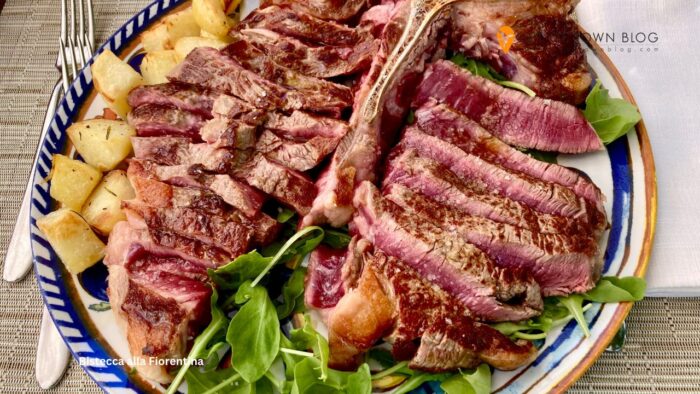 Bistecca alla Fiorentina
Region: Tuscany
Best known in: Florence
Bistecca alla Fiorentina is a thick-cut steak traditionally prepared from a T-bone or porterhouse-style cut. It reflects Florence and Tuscany’s long-standing meat and livestock traditions.
The steak is typically grilled over high heat and simply seasoned with salt. The goal is to highlight the meat’s quality rather than cover it with a complex sauce. Traditional preparations are often served rare or very rare in the center.
Bistecca alla Fiorentina is usually substantial enough to share, making it a popular choice for groups. Because the meat is thick and sold by weight, travelers should ask about the portion size and price before ordering.
The dish often comes with beans, potatoes, or simple vegetables. Its reputation reflects Tuscany’s appreciation for straightforward cooking and high-quality ingredients.
For travelers visiting Florence, bistecca alla Fiorentina is a major regional specialty. It is especially suitable for diners who enjoy grilled meat and want to experience one of Tuscany’s best-known traditional dishes.
12. Ribollita: Tuscany’s Traditional Bread and Vegetable Soup
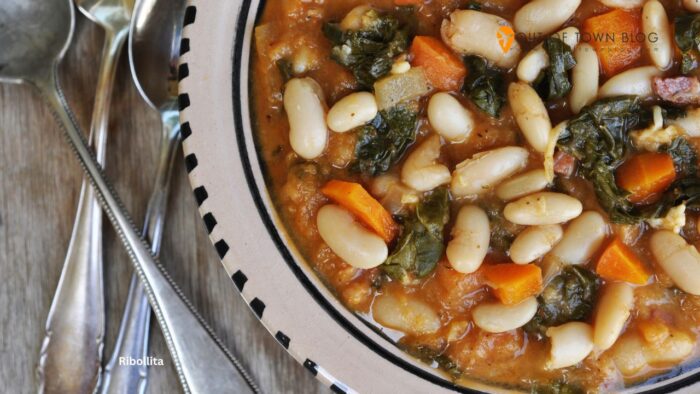 Ribollita
Region: Tuscany
Best known in: Florence and rural Tuscany
Ribollita is a thick Tuscan soup made with bread, beans, vegetables, and olive oil. Common ingredients include cannellini beans, cavolo nero (black cabbage), carrots, celery, and onions.
The name suggests reheating or recooking the soup. Historically, cooks could prepare a large pot of vegetable soup and use leftover bread to make subsequent servings more filling.
The bread thickens the soup and adds density, while the beans provide protein and the vegetables add earthy flavors. People often add good olive oil before serving.
Ribollita reflects Tuscany’s rural food traditions, where people used simple ingredients efficiently and built meals around seasonal produce. It remains a popular example of cucina povera, or traditional resourceful cooking.
Travelers seeking an alternative to pasta and meat should consider ribollita. It is especially satisfying in cooler weather and offers a glimpse into Tuscany’s everyday culinary heritage.
13. Carbonara: Lazio’s Roman Pasta Classic
 Taste of Italy’s Classic Cheese Wheel Carbonara
Region: Lazio
Best known in: Rome
Carbonara is one of Rome’s most famous pasta dishes. Traditionally, it combines pasta, eggs, Pecorino Romano cheese, guanciale, and black pepper.
Guanciale is cured pork jowl, prized for its rich flavor and rendered fat. As it cooks, the fat helps coat the pasta. Eggs and cheese form a creamy sauce when combined with hot pasta, without needing cream in the classic preparation.
Carbonara’s popularity has led to countless international adaptations. However, travelers in Rome will generally encounter versions that emphasize the traditional ingredients and a carefully balanced sauce.
The dish demonstrates how a relatively short ingredient list can create a satisfying meal through technique. Pasta temperature and timing the egg mixture are especially important for achieving the right consistency.
For visitors exploring Roman cuisine, carbonara is an essential choice. It is also worth comparing with other local pasta classics, particularly cacio e pepe and amatriciana, to understand how small ingredient changes create distinct dishes.
14. Cacio e Pepe: Rome’s Minimalist Cheese and Pepper Pasta
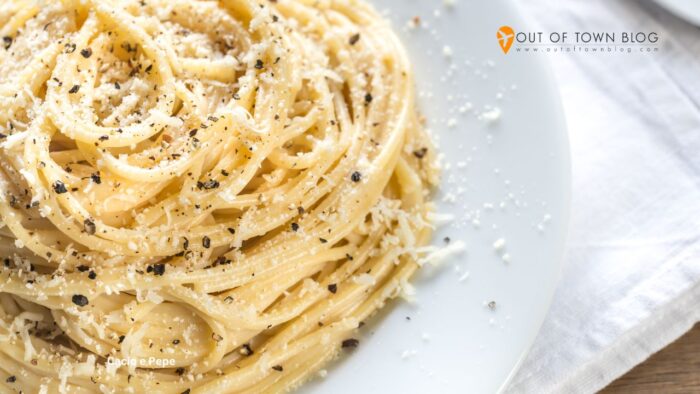 Cacio e Pepe
Region: Lazio
Best known in: Rome
Cacio e pepe is a traditional Roman pasta dish made with Pecorino Romano cheese and black pepper. Its name roughly translates to cheese and pepper, reflecting the two ingredients that define its flavor.
The dish relies on technique rather than a long list of ingredients. Pasta water helps combine the grated cheese and pepper into a smooth sauce that coats the noodles. When prepared properly, the sauce is creamy without relying on cream.
The dish reflects the resourcefulness of Roman cooking, where a few pantry staples can become a complete meal. Its strong cheese flavor and peppery finish make it distinctive despite its simplicity.
Cacio e pepe is often made with tonnarelli, a thick, square-cut pasta, though other shapes may be used.
Travelers visiting Rome should try cacio e pepe at a traditional trattoria. It is a useful dish for understanding the city’s culinary style and offers a different experience from the meat-based richness of carbonara.
15. Supplì: Rome’s Crispy Rice Snack
 Suppli
Region: Lazio
Best known in: Rome
Supplì are fried rice croquettes traditionally filled with tomato-seasoned rice and mozzarella. The rice is shaped into an oval, coated in breadcrumbs, and deep-fried until crisp.
When cut open, a well-made supplì reveals a soft rice centre and melted cheese. This textural contrast is part of the snack’s appeal.
Supplì are commonly sold in Roman pizzerias, takeaway shops, and casual eateries. People often enjoy them as a starter or snack before a meal, making them a convenient choice for travelers exploring the city.
The name often comes from the French word surprise, referring to the melted cheese hidden inside. The dish has become a familiar part of Rome’s casual food culture.
Supplì are worth trying because they show how Italian regional cuisine includes more than sit-down restaurant dishes. Street snacks and takeaway foods also carry strong local identities.
Order one freshly fried when possible so the exterior stays crisp and the mozzarella stays soft.
16. Pizza Napoletana: Naples’ Iconic Pizza
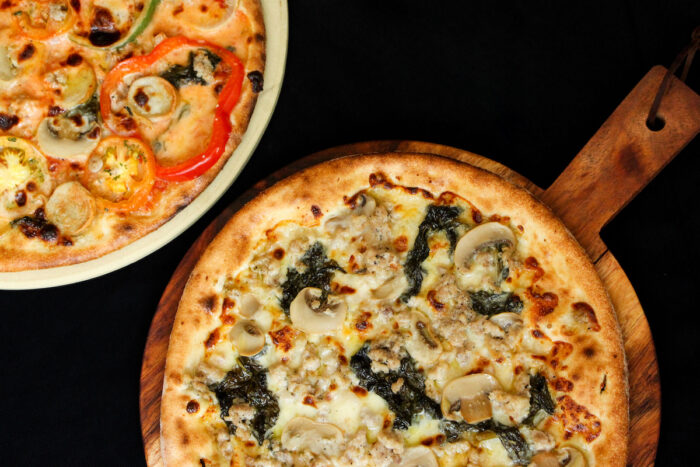 Pizza Napoletana in Misto at Seda Hotel in BGC
Region: Campania
Best known in: Naples
Pizza Napoletana is one of Italy’s most internationally recognized foods. In its traditional form, it features soft, elastic dough with a raised edge, topped with tomatoes, mozzarella, basil, and olive oil.
Two familiar versions are the Marinara, made with tomato, garlic, oregano, and olive oil, and the Margherita, which typically combines tomato, mozzarella, basil, and olive oil.
Naples’ pizza tradition grew around affordable, filling food made with simple ingredients. Over time, the city’s pizzerias became central to its culinary identity, and Neapolitan pizza gained international recognition.
Dough, fermentation, shaping, and high-temperature baking all shape the final product. A classic Neapolitan pizza has a tender center and a characteristic raised crust, rather than the uniformly crisp base found in some other styles.
For travelers visiting Naples, pizza is an essential part of the experience. Trying it in its home city allows visitors to appreciate the balance of dough, sauce, cheese, and heat that defines the traditional style.
17. Sfogliatella: Campania’s Layered Pastry
 Sfogliatella
Region: Campania
Best known in: Naples
Sfogliatella is a traditional Neapolitan pastry with crisp layers and a rich filling. Two familiar varieties are sfogliatella riccia, with a shell-like layered exterior, and sfogliatella frolla, made with a smoother shortcrust pastry.
The filling commonly contains ricotta, semolina, sugar, and flavorings such as citrus or cinnamon. The combination creates a creamy, fragrant center that contrasts with the crisp pastry.
Sfogliatella is closely associated with Naples’ bakery and café culture. People often enjoy it for breakfast or as a sweet snack with coffee.
The pastry requires careful preparation, especially the layered version, where the dough must be worked to create its distinctive texture. Its popularity reflects the region’s long tradition of elaborate pastries and festive sweets.
Travelers visiting Naples should look for freshly baked sfogliatella at a local pastry shop. The crisp exterior and warm filling are especially enjoyable when the pastry comes straight out of the oven.
18. Orecchiette con Cime di Rapa: Puglia’s Signature Pasta
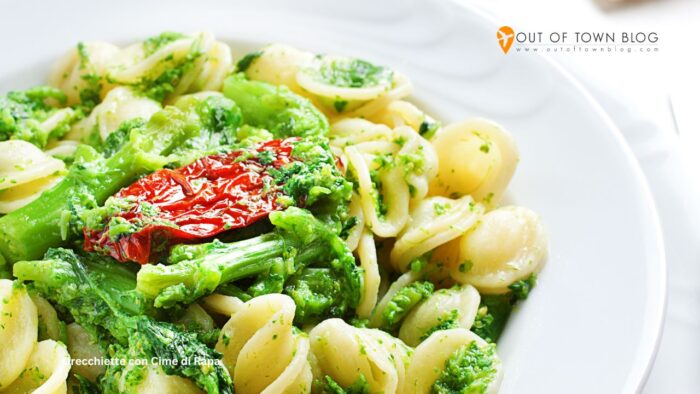 Orecchiette con Cime di Rapa
Region: Puglia
Best known in: Bari and surrounding areas
Orecchiette are small, ear-shaped pasta pieces traditionally associated with Puglia. One of the region’s best-known preparations pairs them with cime di rapa, a leafy vegetable often translated as turnip tops or broccoli rabe.
The pasta is commonly made from durum-wheat semolina and water. Its shape helps hold the sauce and vegetables, while garlic, olive oil, chili, and anchovies may add further flavor.
The dish reflects Puglia’s agricultural traditions and its strong relationship with durum wheat, olive oil, and seasonal vegetables. It is often less rich than cream-based pasta dishes, relying instead on the ingredients’ natural flavor.
Orecchiette are also closely associated with home cooking. In parts of Bari, travelers may see fresh pasta being hand-made, reflecting a tradition passed down through generations.
For visitors to Puglia, this dish offers an excellent introduction to southern Italian cuisine. It is especially appealing to people who enjoy pasta with vegetables and savory seasoning rather than heavy sauces.
19. Focaccia Barese: Puglia’s Tomato-Topped Bread
 Focaccia Barese from Bari
Region: Puglia
Best known in: Bari
Focaccia Barese is a regional flatbread associated with Bari and the wider Puglia region. It is typically made with a dough that may include potato, olive oil, and wheat flour, giving it a soft interior and a golden, slightly crisp exterior.
People commonly top it with tomatoes, olive oil, salt, and oregano. Some versions also add olives, which add a briny flavor that complements the tomatoes’ sweetness.
Focaccia is widely available in bakeries and casual food shops. You can eat it as a snack, a light meal, or alongside other dishes.
Puglia’s cuisine makes extensive use of olive oil, wheat, vegetables, and other Mediterranean ingredients. Focaccia Barese brings these elements together in a simple, portable food that suits travelers exploring the region.
For the best experience, buy a fresh slice from a local bakery. The contrast between the airy interior, crisp bottom, and juicy toppings makes it a memorable regional specialty.
20. Arancini: Sicily’s Filled Rice Balls
 Arancini
Region: Sicily
Best known in: Palermo, Catania, and across Sicily
Arancini are fried rice balls or cones, typically filled with ragù, mozzarella, peas, or other ingredients. They are coated in breadcrumbs and fried until the exterior becomes crisp.
Shapes and names vary across Sicily. In many parts of the island, people use the word arancini, while arancine is common in Palermo and western Sicily. Fillings and shapes also vary by town and shop.
People often season the rice with saffron or other ingredients before forming it around the filling. The result is a portable snack with a crunchy shell and a soft, flavorful center.
Arancini are widely sold in Sicilian bars, bakeries, and takeaway shops. They can serve as a snack or a substantial light meal, especially when paired with other street foods.
Travelers should try different fillings rather than assuming every arancino contains meat sauce. The variety reflects Sicily’s rich food culture and the importance of practical, flavorful street food.
21. Pasta alla Norma: Sicily’s Eggplant Pasta
 Pasta alla Norma
Region: Sicily
Best known in: Catania
Pasta alla Norma is a Sicilian pasta dish traditionally associated with Catania. It combines tomato sauce, fried eggplant, basil, and grated ricotta salata, a firm, salted ricotta cheese.
The eggplant adds a soft texture and savory flavor, while the tomato sauce provides acidity and sweetness. Ricotta salata contributes a salty finish, and basil adds freshness.
The dish is often prepared with short pasta shapes or other varieties that hold the sauce well. Its ingredients reflect Sicily’s Mediterranean agricultural traditions, with tomatoes, eggplant, herbs, and cheese featured prominently.
Pasta alla Norma shows how a regional dish can achieve a distinctive identity without expensive ingredients. Its flavor depends on the quality of the produce and the balance between the sauce, eggplant, and cheese.
Travelers visiting Catania should look for this dish on menus featuring traditional Sicilian cooking. It is a particularly appealing option for those who want a classic pasta dish without meat.
22. Cannoli Siciliani: Sicily’s Iconic Ricotta Pastry
 Cannoli Siciliani
Region: Sicily
Best known in: Palermo and other Sicilian cities
Cannoli are crisp pastry tubes filled with sweetened ricotta. The shell is traditionally fried, while the filling may include chocolate chips, candied fruit, citrus zest, or other additions depending on the recipe.
Sicilian ricotta, often made from sheep’s milk in traditional preparations, contributes a rich texture and distinctive flavor. The crisp shell contrasts with the soft filling, making freshness especially important.
Cannoli are associated with Sicilian celebrations, pastry shops, and café culture. Their history reflects the island’s complex culinary influences, shaped over centuries by Mediterranean trade and cultural exchange.
Recipes vary across Sicily, with differences in shell size, filling, and decoration. Some pastry shops fill cannoli only when ordered, keeping the shell crisp instead of letting it soften.
For travelers, cannoli are one of Sicily’s essential desserts. Try them at a reputable local pasticceria, and look for a shell that stays crisp with a fresh, creamy filling.
23. Porceddu: Sardinia’s Slow-Roasted Suckling Pig
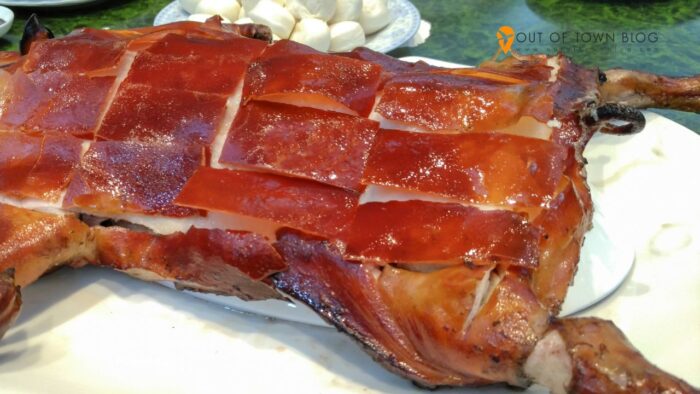 Porceddu
Region: Sardinia
Best known across: Sardinia’s inland communities and traditional restaurants
Porceddu is a traditional Sardinian suckling pig preparation, typically slow-roasted over a fire or cooked using other traditional roasting methods. The exterior becomes crisp while the meat remains tender.
Seasoning is often simple, keeping the pork’s flavor at the center. Some preparations use herbs such as myrtle, reflecting the island’s local vegetation and culinary traditions.
Porceddu is frequently associated with festive meals, family gatherings, and traditional hospitality. Because it takes considerable time and care to prepare, it’s more common at celebrations and in restaurants specializing in Sardinian cuisine than in quick everyday meals.
Sardinia’s food culture includes pastoral traditions, sheep’s milk cheese, breads, cured meats, and seafood. Porceddu represents the island’s meat-centered cooking and the importance of communal dining.
Travelers who eat pork should look for porceddu when exploring Sardinia’s traditional restaurants. Because preparation methods and availability vary, ask whether the dish is freshly prepared or offered on particular days.
24. Culurgiones: Sardinia’s Stuffed Pasta
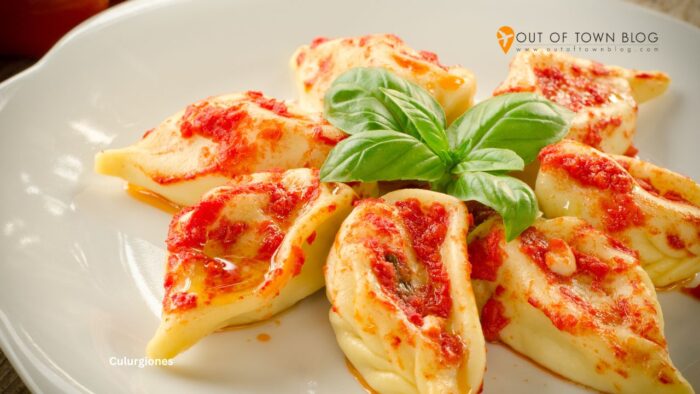 Culurgiones
Region: Sardinia
Best known in: Ogliastra and eastern Sardinia
Culurgiones are traditional Sardinian stuffed pasta parcels, often filled with potato, pecorino cheese, garlic, and mint. The filling varies by locality, and some recipes use different cheeses or seasonings.
The pasta is distinctive because the edges are carefully pinched or braided, creating a decorative closure that, in some traditional interpretations, resembles an ear of wheat.
Culurgiones are often served with tomato sauce and grated cheese, although preparations vary. The filling is soft and savory, while the mint adds a fresh, aromatic note that sets the dish apart from many other Italian stuffed pastas.
The dish is associated with Sardinian home cooking and local celebrations. Hand-making culurgiones takes practice, and the folding technique is an important part of the culinary tradition.
For travelers visiting eastern Sardinia, culurgiones offer a chance to discover a regional pasta that differs from the familiar ravioli and tortellini found elsewhere in Italy.
25. ‘Nduja: Calabria’s Spicy Spreadable Sausage
 Nduja
Region: Calabria
Best known in: Spilinga and the surrounding area
‘Nduja is a soft, spreadable pork sausage associated with Calabria, particularly the area around Spilinga. It is made from pork and chili peppers, with heat levels varying by producer.
Unlike firm cured sausages that are sliced and served in pieces, ‘nduja has a soft texture that makes it easy to spread on bread or stir into sauces. Its flavor combines pork richness with pronounced chili heat.
Serve it on toasted bread, add it to pasta sauces, or use it to season vegetables and other dishes. Because it is concentrated and spicy, a small amount can make a noticeable difference to a meal.
Calabria’s cuisine is known for its use of chili peppers, preserved foods, local cheeses, and pork products. ‘Nduja reflects the region’s distinctive flavor preferences and the tradition of making cured meats from available ingredients.
Travelers exploring Calabria should look for ‘nduja in local food shops and traditional restaurants. It is a memorable specialty for diners who enjoy spicy food and want to explore southern Italy’s bold regional flavors.
How to Experience Italy Through Its Regional Food
Exploring Italy’s food culture is easier when you treat each destination as a chance to discover local specialties rather than searching for the same menu everywhere.
Look for regional names on menus. Dishes such as tagliatelle al ragù, orecchiette con cime di rapa, and pasta alla Norma are strongly associated with particular areas. Ordering them locally provides useful context for understanding the ingredients and cooking traditions.
Visit bakeries and neighborhood food shops. Regional food is not limited to restaurants. Focaccia, supplì, cicchetti, and arancini are convenient ways to sample local flavors while sightseeing.
Ask about seasonal ingredients. Truffles, seafood, vegetables, and certain traditional preparations are best enjoyed when ingredients are in season. Local menus can change throughout the year.
Pay attention to regional differences. A dish may have several versions even within the same region. Pasta shapes, sauces, seasonings, and serving traditions can vary by city and household.
Make room for desserts. Cannoli and sfogliatella demonstrate that Italian regional cuisine extends well beyond savory dishes. Local pastry shops often provide an accessible introduction to a city’s food traditions.
Italian cuisine is not a single collection of recipes. It is a broad network of regional identities, family traditions, and local ingredients. Exploring these differences makes food essential to understanding the country.
Frequently Asked Questions About Italian Regional Food
1. What are the most famous regional dishes in Italy?
Some of Italy’s most famous regional dishes include pizza Napoletana from Campania, tagliatelle al ragù from Emilia-Romagna, risotto alla Milanese from Lombardy, carbonara from Lazio, pesto alla Genovese from Liguria, and arancini from Sicily. Each is strongly associated with its home region, although these foods are now available internationally. Traditional versions often rely on specific ingredients and preparation techniques. Travelers can get more from an Italian food trip by trying regional specialties where they are locally established rather than ordering only internationally familiar dishes.
2. What food should first-time visitors try in Italy?
First-time visitors can start with pizza Napoletana, fresh pasta, risotto, focaccia, gelato, and a traditional regional dessert. These foods are widely available and offer a taste of Italy’s diverse culinary traditions. After trying familiar dishes, explore local specialties such as tortellini in brodo in Emilia-Romagna, ribollita in Tuscany, orecchiette in Puglia, or culurgiones in Sardinia. The best choices depend on your itinerary, because Italy’s food culture changes considerably between regions. Trying even two or three local dishes in each destination can make a trip more memorable.
3. What is the difference between northern and southern Italian cuisine?
Northern Italian cuisine often features butter, rice, polenta, mountain cheeses, and fresh egg pasta. Southern Italian cooking frequently uses olive oil, tomatoes, durum-wheat pasta, vegetables, and seafood. These are broad patterns rather than strict rules, since every region has its own ingredients and traditions. Liguria, for example, is in northern Italy but is strongly associated with olive oil, basil pesto, and coastal cooking. Sicily also has distinctive influences from Mediterranean trade and historical cultural exchange. Travelers should think of Italian cuisine as a collection of regional traditions rather than a single, uniform style.
4. Which Italian region is best known for pasta?
Emilia-Romagna is particularly famous for fresh egg pasta, including tagliatelle, tortellini, and other stuffed or shaped varieties. Bologna and Modena are especially associated with these traditions. However, pasta is central to food culture throughout Italy, and different regions have their own characteristic shapes, ingredients, and sauces. Lazio is known for Roman classics such as carbonara and cacio e pepe, while Puglia is associated with orecchiette and Sicily has its own distinctive pasta preparations. Instead of choosing one region as the definitive pasta destination, travelers can explore several regional styles along the way.
5. Is authentic Italian food different from Italian food served abroad?
It can be different because restaurants outside Italy often adapt recipes to local ingredients, tastes, and dining habits. Traditional Italian dishes may use specific pasta shapes, cheeses, cured meats, or regional produce that are not always easy to find elsewhere. Even within Italy, recipes vary from town to town and household to household. A dish doesn’t automatically become inauthentic just because a cook makes a variation, but regional traditions provide useful context. When traveling, look for local specialties on menus, ask about ingredients, and be open to dishes that may differ from familiar international versions.
6. What Italian regional foods are good for street-food lovers?
Italy offers many regional foods that are easy to eat on the go. Venice is known for cicchetti, Rome for supplì, Sicily for arancini, and Puglia for focaccia. Bakeries and takeaway shops are also good places to find regional breads, pastries, and savory snacks. These foods allow travelers to experience local cooking without planning a full restaurant meal. Prices and portion sizes vary by city and establishment, so check the menu before ordering. For a varied food experience, combine street snacks with a few sit-down meals featuring regional pasta, seafood, or meat dishes.
7. What are some traditional Italian desserts travelers should try?
Cannoli from Sicily and sfogliatella from Naples are two famous regional desserts. Cannoli feature crisp pastry shells filled with sweetened ricotta, while sfogliatella is known for its layered or shortcrust exterior and rich filling. Travelers can also explore regional cakes, biscuits, gelato, and pastries in local bakeries. Recipes and decorations often vary by city, family, or occasion. For pastries whose appeal depends on texture, freshness matters, so ask when an item was prepared. Visiting a local pasticceria can be as rewarding as dining at a traditional restaurant, especially when you sample several small sweets with coffee.
8. Can travelers find vegetarian regional dishes in Italy?
Yes. Many regional Italian dishes feature vegetables, bread, cheese, beans, rice, and pasta. Examples include ribollita from Tuscany, pasta alla Norma from Sicily, pesto-based pasta from Liguria, and orecchiette with vegetables from Puglia. However, traditional recipes may contain meat stock, anchovies, or animal-based cheese ingredients, even when the dish appears vegetable-focused. Travelers who avoid meat should ask how the dish is prepared instead of relying on its name alone. Italian menus often list ingredients, but it helps to confirm details with the restaurant, especially when following a strict dietary preference.
9. What Italian regional foods are best for seafood lovers?
Seafood lovers can explore Venice and coastal Veneto for seafood risotto and lagoon specialties, Liguria for fish dishes and seafood stews, and Sicily for a wide variety of coastal preparations. Other regions, including Puglia and Sardinia, also have strong seafood traditions. Ingredients and cooking methods depend on local catches and seasonality, so menus may change throughout the year. When choosing seafood, ask what is fresh and locally available. Travelers should also know that some dishes use raw or lightly prepared seafood, so choose reputable establishments that follow safe handling practices.
10. What is the best way to discover authentic regional Italian food?
Start by identifying the specialties associated with each city or region on your itinerary. Look for traditional dishes on local menus, visit bakeries and food markets, and ask restaurant staff which items are particularly associated with the area. Neighborhood trattorias and family-run food businesses can be great places to learn about local cooking, though quality varies by establishment. Avoid assuming that one recipe represents every household in a region. Regional food traditions evolve, and many dishes have several established variations. The goal is to understand the local context and enjoy the range of flavors rather than search for a single supposedly perfect version.
11. Why do Italian dishes vary between regions?
Italy’s regional dishes reflect differences in geography, climate, agriculture, fishing, livestock, and historical cultural exchange. Mountain areas developed food traditions that used dairy products, preserved meat, and hearty grains. Agricultural plains supported rice and wheat production, while coastal communities built cuisines around seafood and olive oil. Trade and migration also introduced ingredients and techniques that became part of local cooking. Over generations, families adapted recipes to the products available to them. These differences explain why two Italian regions can use similar ingredients but produce dishes with distinct flavors, shapes, and cultural meanings.
12. How can travelers plan an Italy trip around regional food?
Start with your travel route, then choose two or three specialties for each destination. For example, travelers visiting Bologna can try tagliatelle al ragù and tortellini in brodo, while Rome offers carbonara, cacio e pepe, and supplì. In Naples, start with pizza and sfogliatella; in Sicily, try arancini, pasta alla Norma, and cannoli. Leave room for seasonal dishes and local restaurant recommendations. You do not need to visit every region to appreciate Italian food, but exploring different culinary traditions can add depth to your trip and help you understand the country beyond its famous landmarks.
Final Thoughts: Explore Italy One Regional Dish at a Time
Italy’s food culture shines through its regional differences. A bowl of handmade pasta in Bologna, a freshly baked focaccia in Bari, a plate of arancini in Sicily, or a serving of risotto in Milan offers more than a meal. Each dish reflects local ingredients, culinary knowledge, and traditions passed between generations.
As you plan your Italian itinerary, make regional food part of the experience. Try the specialties of the places you visit, explore local bakeries and neighborhood restaurants, and stay curious about variations in ingredients and preparation. From Alpine cheese dishes to Mediterranean seafood and traditional pastries, Italy rewards travelers who look beyond the familiar classics.
The best Italy food guide ultimately encourages you to explore, taste, and discover how each region expresses its identity through food.
Follow #TeamOutofTown on Facebook, Twitter, Instagram, and Pinterest for more travel ideas.
Also read:
Monster Munch! Snack Picks for Your Halloween Horror Movie Marathon
Halloween is the perfect excuse to gather friends, turn off the lights, and settle in for a horror movie marathon. Whether you enjoy screaming with your barkada, watching scary films alone, or simply looking forward to the snacks, the right food and drinks can make movie night even better.
 Make your next horror movie marathon more enjoyable with URC favorites like C2 Cool and Clean, Jack ‘n Jill Piattos, Chippy, Mang Juan and Magic Chips
From unexpected jump scares to chilling plot twists, horror movies keep viewers on edge. Some prefer watching with friends for shared screams and laughs, while others enjoy the thrill of watching alone. And for those more interested in snacks than the story, a well-stocked spread is always a welcome treat.
Whatever your horror movie tradition looks like, here are four snack picks from Universal Robina Corporation (URC) to make your Halloween movie night more enjoyable.
1. For the Barkada That Screams Together: Chippy Barbecue and C2 Litro Lemon
A horror movie gets even more entertaining when everyone reacts differently to the action on screen. Some friends scream at every jump scare, while others laugh, predict the ending, or insist that the characters should have made better decisions.
For group movie nights, Chippy Barbecue offers a crunchy, savory snack that everyone can share between frightening scenes. Pair it with C2 Litro Lemon for a refreshing drink to enjoy throughout the marathon.
Whether you’re revisiting Halloween favorites or discovering a new horror film together, these snacks help keep everyone refreshed and ready for the next scare.
2. For the Horror Buff Who’s Seen It All: Chicharron ni Mang Juan Espesyal Suka’t Sili
Every horror movie marathon has that one friend who’s already seen every classic, knows the best international horror films, and can predict a plot twist before it happens. For serious horror fans, one movie is rarely enough.
Chicharron ni Mang Juan Espesyal Suka’t Sili is a flavorful option for viewers who want something with a distinct Filipino-inspired asim-anghang taste. Its sour-and-spicy combination makes it a satisfying snack for long watchlist sessions.
From supernatural thrillers to suspense-filled slasher films, this snack brings an extra burst of flavor to every movie session. Keep a pack nearby so you can focus on the next chilling scene without interrupting your marathon.
3. For Those Who Dare to Watch Alone: Piattos Roadhouse Barbecue
Watching a horror movie alone at night is an entirely different experience. With the lights off and the volume turned up, every creaking sound and unexpected appearance can feel a little too real.
For solo viewers who enjoy uninterrupted scares, Piattos Roadhouse Barbecue makes a convenient movie-night companion. Its crunchy potato crisps offer a savory treat to enjoy while watching your favorite horror films.
The best part of a solo marathon is having complete control. You can pause whenever you want, choose the next movie without a debate, and enjoy every suspenseful moment without anyone talking over important scenes.
Settle into your favorite spot, prepare your snacks, and let the movie take center stage. Just remember that you might think twice before checking that strange noise outside your room.
4. For the One Who’s Just There for the Snacks: Magic Chips Cheese
Not everyone invited to a horror movie night is a fan of scary films. Some come for the company, others want to catch up with friends, and a few are simply there because someone promised good food.
If the snack table is more interesting than the movie, add Magic Chips Cheese to your lineup. Its cheesy flavor and crunchy texture make it an easy choice for munching while everyone else tries to figure out who will survive until the final scene.
Enjoy a handful during the opening credits, reach for another bite during a suspenseful sequence, or focus on the snacks whenever the movie gets too frightening.
After all, movie night is about enjoying yourself. Whether you follow every plot twist or spend most of the evening chatting with friends, having your favorite snacks within reach makes the experience more enjoyable.
Make Your Halloween Movie Night More Fun
A memorable Halloween horror movie marathon doesn’t need an elaborate setup. Choose a lineup of scary films, prepare a comfortable viewing space, and stock up on snacks and drinks that suit your movie-watching style.
For group gatherings, Chippy Barbecue and C2 Litro Lemon offer a combination to share with friends. Horror enthusiasts can enjoy the tangy, spicy flavor of Chicharron ni Mang Juan Espesyal Suka’t Sili, while solo viewers can reach for Piattos Roadhouse Barbecue. Those who are mainly there for the food can add Magic Chips Cheese to their snack selection.
Whatever your plans this Halloween, pick your favorite horror films, gather your go-to URC munchies, and get ready for a night of chilling entertainment and satisfying snacks.
Follow the Out of Town Travel Blog on Facebook, Twitter, Instagram, and Pinterest for more travel and food-related updates.
Read:
What Is the Best Travel Credit Card in the USA? A Comprehensive 2026 Guide
The best travel credit card in the USA depends on how often you travel, which airlines and hotels you use, how much you spend, and whether you can justify an annual fee. Some cards offer flexible points that transfer to airline and hotel loyalty programs. Others provide airport lounge access, hotel credits, free checked bags, or straightforward rewards on everyday purchases.
 What Is the Best Travel Credit Card in the USA?
For frequent travelers, the smartest choice is not necessarily the card with the largest welcome bonus or the most expensive benefits package. It is the card that consistently delivers useful rewards and travel protections while keeping your overall costs under control.
This guide compares 12 leading travel credit cards across premium, mid-tier, airline-specific, hotel-specific, and no-annual-fee categories. It examines annual fees, welcome offers, rewards rates, APRs, travel credits, lounge access, insurance benefits, foreign transaction fees, and redemption flexibility, based on issuer information reviewed in October 2026.
Offers and eligibility rules can change, so verify the complete terms before applying.
How to Choose the Best Travel Credit Card
Before comparing individual cards, consider which benefits you will actually use. A premium card may advertise hundreds of dollars in credits, but those benefits don’t automatically translate into savings if you wouldn’t otherwise buy the eligible services.
- Frequent international travelers: Prioritize flexible points, no foreign transaction fees, travel insurance, and access to useful airline transfer partners.
- Frequent domestic flyers: Airline cards can provide checked-bag savings, priority boarding, and other benefits that reduce the cost of repeated trips.
- Hotel loyalists: Hotel credit cards may offer annual free-night certificates, elite status, and rewards on qualifying stays.
- Luxury travelers: Premium cards may justify their fees through airport lounges, hotel benefits, travel credits, and comprehensive protections.
- Budget-conscious travelers: No-annual-fee cards can deliver straightforward rewards without requiring you to offset a recurring fee.
- Flexible travelers: General-purpose rewards cards can help when you want to compare flights and hotels across providers rather than stay loyal to one brand.
Your credit profile also matters. Applicants with excellent credit generally have more options among premium travel cards, while applicants with good or fair credit should carefully review issuer eligibility guidance. No advertised credit score guarantees approval.
Comparison of the 12 Best Travel Credit Cards in the USA
The following cards cover different travel styles and budgets. Welcome bonuses and advertised credits are subject to eligibility rules, spending requirements, and other conditions.
| Credit card | Annual fee | Best for |
|---|---|---|
| Chase Sapphire Preferred | USD 95 | Flexible travel rewards |
| Chase Sapphire Reserve | USD 795 | Premium travel benefits |
| Capital One Venture X | USD 395 | Premium perks and simple rewards |
| Capital One Venture Rewards | USD 95 | Everyday spending and flexible miles |
| American Express Platinum Card | USD 895 | Luxury travel and airport lounges |
| American Express Gold Card | USD 325 | Dining and everyday rewards |
| Citi Strata Premier | USD 95 | Everyday purchases and travel |
| Citi Strata Elite | USD 595 | Premium dining and travel rewards |
| Bank of America Travel Rewards | USD 0 | Simple, low-cost travel rewards |
| United Explorer Card | USD 0 introductory fee, then USD 150 | United Airlines frequent flyers |
| Marriott Bonvoy Bold | USD 0 | Marriott stays without an annual fee |
| IHG One Rewards Premier | USD 150 | IHG hotel loyalty and free-night benefits |
The annual fees and major offer details should be checked against current issuer disclosures before publication or application.
1. Chase Sapphire Preferred: Best Overall for Many Frequent Travelers
 Chase Sapphire Preferred
Annual fee: USD 95
Credit profile: Good to excellent, depending on the application
The Chase Sapphire Preferred is a strong starting point for travelers who want flexible rewards without paying a premium-card annual fee. It combines travel and dining rewards with access to Chase Ultimate Rewards, including the ability to transfer eligible points to participating airline and hotel loyalty programs.
Key features
- Welcome offer: The reviewed issuer offer advertised 75,000 points after spending USD 5,000 on purchases in the first three months.
- Rewards: 5x points on purchases through Chase Travel, 2x on other travel, and 3x on eligible dining and selected everyday spending categories.
- APR: 19.24% to 27.49% variable on purchases, according to the reviewed offer terms.
- Travel benefits: Eligible trip cancellation and interruption coverage, rental car collision damage waiver, and other travel protections.
- Foreign transaction fees: None, according to the card’s travel terms.
- Lounge access: No general complimentary airport lounge membership.
The card also offers up to USD 100 in annual hotel statement credits on qualifying bookings through Chase Travel. Restrictions apply.
Who should get it?
Choose this card if you want to earn rewards on dining and travel while keeping annual fees manageable. It is especially useful if you can redeem points through transfer partners rather than automatically converting every point to cash.
2. Chase Sapphire Reserve: Best for Premium Travel Benefits
Annual fee: USD 795
Credit profile: Generally excellent credit
The Chase Sapphire Reserve targets travelers who can use premium travel benefits year-round. It offers stronger earning rates on selected travel purchases, annual credits, and access to eligible airport lounge programs.
Key features
- Welcome offer: The reviewed issuer offer advertised 100,000 points after spending USD 6,000 in the first three months.
- Rewards: 8x points on Chase Travel purchases, 4x on eligible direct flight and hotel bookings, 3x on worldwide dining, and 1x on other purchases.
- APR: Confirm the exact current variable APR on the application page before applying.
- Travel credit: Up to USD 300 annually on qualifying travel purchases.
- Hotel benefits: Eligible prepaid bookings through The Edit by Chase Travel can qualify for additional statement credits.
- Lounge access: Premium airport lounge access is available subject to program enrollment, participating locations, and terms.
- Insurance: Eligible travel and rental-car protections are subject to the card’s benefits guide.
The annual fee is substantial, so the card makes more sense for people who can use its credits and benefits without changing their spending habits just to qualify.
Who should get it?
Consider it if you travel frequently, spend enough on eligible travel and dining, and value lounge access and premium hotel benefits. Compare its net cost with the Venture X before choosing.
3. Capital One Venture X: Best for Premium Benefits With Straightforward Rewards
 Capital One Venture X
Annual fee: USD 395
Credit profile: Excellent credit generally recommended
The Capital One Venture X is appealing to travelers who want a premium card but prefer a simple earning structure. Its flat-rate rewards on everyday spending mean you do not have to memorize numerous categories to earn miles.
Key features
- Welcome offer: The reviewed issuer offer advertised 75,000 miles after spending USD 4,000 within the first three months.
- Rewards: 10x miles on eligible hotels and rental cars booked through Capital One Travel, 5x on eligible flights and vacation rentals through the portal, and 2x on other purchases.
- APR: The current issuer page lists a variable purchase APR. Confirm the rate attached to your application.
- Travel credit: USD 300 annually on eligible bookings through Capital One Travel.
- Anniversary benefit: 10,000 bonus miles each year starting on the first anniversary.
- Lounge access: Capital One lounge access and participating Priority Pass lounges, subject to eligibility and current program terms.
- Foreign transaction fees: None.
The card’s USD 300 portal credit and anniversary miles can offset much of its annual fee if you use them at full value. However, the credit is not equivalent to cash if you would rather book elsewhere.
Who should get it?
It is a strong choice for travelers who want premium lounge benefits, a useful travel credit, and rewards on almost every purchase without complicated category management.
4. Capital One Venture Rewards: Best for Everyday Spending and Flexible Miles
Annual fee: USD 95
Credit profile: Good to excellent, depending on approval
The Capital One Venture Rewards provides a simpler alternative to a premium travel card. Its core appeal is earning a consistent number of miles on everyday purchases while retaining flexible redemption options.
Key features
- Welcome offer: The reviewed issuer page advertised 75,000 miles after USD 4,000 in purchases within three months, alongside a limited-time hotel credit.
- Rewards: 2x miles on everyday purchases and 5x on eligible hotels, vacation rentals, and rental cars booked through Capital One Travel.
- APR: The issuer’s listed purchase APR is variable. Verify your personalized terms.
- Travel benefits: Eligible travel redemptions and transfers to participating airline and hotel loyalty programs.
- Lounge access: Not the same premium lounge package as Venture X.
- Foreign transaction fees: None.
You can redeem Capital One miles for eligible travel purchases and other available options. Transfer partners may offer higher value, but redemption rates differ, and award availability isn’t guaranteed.
Who should get it?
Choose this card if you want flexible travel rewards and straightforward earning without paying an annual fee of USD 395 or more.
5. American Express Platinum Card: Best for Luxury Travel and Airport Lounges
Annual fee: USD 895
Credit profile: Generally excellent credit
The American Express Platinum Card focuses on travel experiences rather than simple everyday rewards. Its appeal comes from its airport lounge network, travel-related credits, hotel benefits, and premium services.
Key features
- Welcome offer: The issuer has advertised offers of up to 175,000 Membership Rewards points for eligible applicants who meet the specified spending requirement. Actual offers vary.
- Rewards: 5x points on eligible flights and prepaid hotels booked through American Express Travel, subject to terms and caps.
- Annual fee: USD 895 for the basic card.
- Lounge access: Access to the American Express Global Lounge Collection, with participating locations and entry rules.
- Hotel benefits: Eligible hotel credits and benefits through participating booking programs.
- Insurance: Eligible travel protections and rental-car loss and damage coverage may apply under the relevant terms.
- Foreign transaction fees: Check the current cardmember agreement for applicable terms.
American Express charge-card spending power and payment terms differ from those of a traditional revolving credit card. Do not assume that a standard purchase APR applies to every balance. Check the account agreement and Pay Over Time terms before carrying a balance.
Who should get it?
This card is best for frequent luxury travelers who regularly use airport lounges, premium hotel programs, and eligible credits. It is harder to justify if you take only one or two trips a year.
6. American Express Gold Card: Best for Dining and Food-Related Spending
Annual fee: USD 325
Credit profile: Generally good to excellent
The American Express Gold Card is not primarily a lounge-access card. Instead, it rewards eligible dining and grocery purchases, helping frequent travelers earn points before booking their next trip.
Key features
- Welcome offer: Offers vary by applicant and may reach 100,000 Membership Rewards points under the issuer’s advertised terms.
- Rewards: 4x points at eligible restaurants worldwide and US supermarkets, subject to annual spending caps; 3x on eligible flights booked directly with airlines or through American Express Travel; 5x on eligible prepaid hotels through American Express Travel.
- Travel credits: Eligible dining, Uber Cash, and hotel-related benefits may offset some costs when used according to their terms.
- Lounge access: No general airport lounge access benefit.
- Insurance: Eligible rental-car loss and damage coverage is available under applicable terms.
- Foreign transaction fees: Verify the current pricing and cardmember agreement before applying.
Many advertised credits are restricted to specific merchants, enrollment requirements, locations, or monthly limits. Don’t count their face value as savings unless you already use the qualifying services.
Who should get it?
Consider this card if you spend heavily on eligible dining and groceries and can use Membership Rewards points for travel. It is less suitable if your spending is concentrated in categories with lower earning rates.
7. Citi Strata Premier: Best for Everyday Spending Across Multiple Categories
Annual fee: USD 95
Credit profile: Good to excellent, depending on approval
The Citi Strata Premier offers ThankYou Points for eligible purchases across several common spending categories. Its appeal is that you can earn rewards on everyday purchases and redeem points through Citi’s rewards program.
Key features
- Welcome offer: 60,000 ThankYou Points after spending USD 4,000 within the first three months, according to the reviewed offer.
- Rewards: 10x points on eligible hotels, car rentals, and attractions booked through Citi Travel; bonus rates also apply to selected travel, dining, supermarket, and gas purchases under the current rewards terms.
- APR: 20.24% to 28.24% variable on purchases and balance transfers, based on creditworthiness.
- Hotel benefit: USD 100 off one qualifying hotel stay of at least USD 500, excluding taxes and fees, booked through Citi Travel, once per calendar year.
- Lounge access: No general complimentary airport lounge membership.
- Foreign transaction fees: None.
- Redemption: Citi Travel bookings, eligible transfer partners, gift cards, and other ThankYou Rewards program options.
The hotel benefit is useful if you already plan to make an eligible booking. Compare the portal price with direct hotel rates before assuming that the discount represents the lowest available cost.
Who should get it?
Choose it if you spend across several everyday categories and want flexible points without paying for an extensive premium lounge package.
8. Citi Strata Elite: Best for Premium Travel and Dining Rewards
Annual fee: USD 595
Credit profile: Generally good to excellent, subject to approval
The Citi Strata Elite is designed for travelers who want higher earning rates on eligible bookings and dining, together with premium travel benefits.
Key features
- Welcome offer: 75,000 ThankYou Points after spending USD 6,000 in the first three months, according to the issuer’s listed offer.
- Rewards: 12x points on eligible hotels, car rentals, and attractions booked through Citi Travel; 6x on eligible air travel through the portal and qualifying restaurant purchases during Citi Nights; 3x on other eligible restaurant purchases and 1.5x on other purchases, subject to terms.
- Annual fee: USD 595.
- APR: Confirm the variable APR in the current pricing disclosure before applying.
- Travel benefits: Eligible travel credits and premium benefits are subject to enrollment, booking requirements, and exclusions.
- Lounge access: Check the current benefit guide for the exact lounge programs, access limits, and guest policies.
- Foreign transaction fees: Review the issuer’s current pricing details.
Its higher fee makes sense only if you can use its credits and earn enough additional rewards to offset the cost.
Who should get it?
Consider it if you spend substantially on eligible travel and dining and can use its premium benefits in a practical way. Compare it with the Sapphire Reserve and Venture X before deciding.
9. Bank of America Travel Rewards: Best No-Annual-Fee Option
Annual fee: USD 0
Credit profile: Good credit or better may improve approval prospects
The Bank of America Travel Rewards card offers a simple way to earn points without paying a yearly fee. Its rewards structure is simpler than many premium travel cards.
Key features
- Welcome offer: 25,000 online bonus points after spending at least USD 1,000 in the first 90 days, worth USD 250 toward eligible travel and dining purchases under the reviewed offer.
- Rewards: Unlimited 1.5 points per dollar on eligible everyday purchases.
- APR: 17.74% to 27.74% variable after the advertised introductory APR period, according to the current issuer disclosure.
- Foreign transaction fees: None.
- Lounge access: No general complimentary lounge membership.
- Redemption: Eligible travel and dining statement credits, including qualifying flights, hotels, vacation rentals, and baggage fees.
- Annual fee: USD 0.
The issuer also advertises a 0% introductory APR for 15 billing cycles on qualifying purchases and balance transfers made within the specified introductory window. Balance transfer fees apply, and this offer can change.
Who should get it?
Consider this card if you want travel rewards without a recurring annual fee and prefer straightforward redemptions over managing airline miles or hotel points.
10. United Explorer Card: Best for Frequent United Airlines Flyers
Annual fee: USD 0 for the first year, then USD 150
Credit profile: Generally good to excellent
The United Explorer Card targets travelers who fly United Airlines regularly. Airline-specific benefits can be valuable when you use the same carrier repeatedly.
Key features
- Welcome offer: The reviewed issuer page advertised a bonus of up to 80,000 miles through qualifying activities. Check the exact offer shown to you.
- Rewards: Earn United MileagePlus miles on eligible purchases, with bonus rates determined by the current card terms.
- APR: 19.99% to 28.49% variable under the reviewed issuer offer.
- Baggage: Eligible cardholders can receive a first checked bag benefit subject to the card’s conditions.
- Other benefits: Two United Club one-time passes annually and priority boarding, subject to applicable rules.
- Lounge access: The two annual passes do not count as unlimited lounge membership.
- Foreign transaction fees: Confirm the current issuer terms before applying.
The card is most useful when its airline benefits save you money on flights you would book anyway.
Who should get it?
Choose it if United is your regular airline and you can use the baggage and boarding benefits. If you frequently switch carriers, a flexible-points card may be more useful.
11. Marriott Bonvoy Bold: Best No-Annual-Fee Card for Marriott Loyalists
Annual fee: USD 0
Credit profile: Generally good to excellent, subject to approval
The Marriott Bonvoy Bold lets travelers earn Marriott Bonvoy points without paying an annual fee. It can be attractive for people who already stay at participating Marriott properties.
Key features
- Welcome offer: The issuer’s listed offer includes 45,000 bonus points after spending USD 1,000 within the first three months.
- Rewards: Earn bonus points on eligible Marriott hotel stays and selected everyday spending categories, per the current rewards terms.
- APR: The reviewed issuer page lists a variable purchase APR of 19.24% to 27.74%.
- Hotel benefits: Automatic Silver Elite status and five Elite Night Credits toward the next status level under the listed card benefits.
- Lounge access: No general complimentary airport lounge membership.
- Redemption: Eligible Marriott Bonvoy hotel stays and other program options, subject to award availability and program rules.
Hotel points do not have a universal cash value. The number of points required for a stay can vary by property, dates, and availability.
Who should get it?
This card makes sense for Marriott loyalists who want to earn hotel points without paying an annual fee. Compare the redemption cost of your preferred hotels before transferring spending away from a flexible-points card.
12. IHG One Rewards Premier: Best for IHG Hotel Loyalty
Annual fee: USD 150
Credit profile: Generally good to excellent, subject to approval
The IHG One Rewards Premier is designed for travelers who regularly book participating IHG hotels and resorts. Its value depends on how often you use the brand and whether the card’s hotel benefits fit your travel habits.
Key features
- Welcome offer: The issuer advertises 140,000 bonus points after you spend USD 3,000 in the first three months. Confirm the live offer before applying.
- Rewards: Earn IHG One Rewards points on eligible purchases, with higher earning potential on qualifying IHG stays and selected categories.
- APR: 19.49% to 27.99% variable, according to the reviewed issuer pricing page.
- Hotel benefits: The card’s benefit package includes hotel loyalty perks and a free-night benefit subject to its current terms.
- Lounge access: No general complimentary airport lounge membership.
- Redemption: Eligible IHG hotel stays and other available program rewards, subject to program rules.
Hotel rewards are most valuable when you can redeem them for stays that would otherwise cost more in cash. Check the annual free-night certificate’s restrictions and eligible properties before estimating its value.
Who should get it?
Choose this card if you regularly stay at IHG properties and can use its hotel benefits. If your accommodation choices vary widely, a flexible travel card may offer more freedom.
How to Calculate Whether a Travel Credit Card Is Worth Its Annual Fee
Do not evaluate a card based only on its welcome bonus or the total dollar amount of its advertised credits. Calculate the benefits you are likely to use and compare them with the card’s full cost.
A simple approach is:
- Estimate the value of points earned from your normal spending.
- Add the realistic value of credits and benefits you would use anyway.
- Subtract the annual fee and any other incremental costs.
- Compare the result with a no-annual-fee card or your current payment method.
Example: A USD 395 Premium Travel Card
| Item | Illustrative value |
|---|---|
| Annual fee | -USD 395 |
| Travel credit you would fully use | +USD 300 |
| Realistic value of anniversary rewards | +USD 100 |
| Net value before other rewards and costs | +USD 5 |
This is an illustration, not a guarantee of the card’s actual value. It assumes you can use the full credit and value the anniversary rewards at USD 100. If you spend extra money to use the credit, or cannot redeem the rewards at that value, the result may be lower.
A premium card can be worthwhile even without lounge access, while a no-annual-fee card can be better for a traveler who rarely uses premium benefits. Your personal travel habits matter more than the advertised maximum value.
Travel Credit Card Comparison: APR, Fees, and Foreign Transactions
APR ranges can change, and the rate you’re offered depends on your creditworthiness and the issuer’s terms. American Express cards may have different payment arrangements than traditional revolving credit cards. Always check the card’s pricing disclosure before applying.
| Card | Purchase APR or pricing note | Foreign transaction fees |
|---|---|---|
| Chase Sapphire Preferred | 19.24% to 27.49% variable | None |
| Chase Sapphire Reserve | Confirm the current application disclosure | Verify current terms |
| Capital One Venture X | 19.49% to 28.49% variable on the reviewed offer | None |
| Capital One Venture Rewards | 19.74% to 28.74% variable on the reviewed offer | None |
| American Express Platinum | Check current cardmember agreement and Pay Over Time terms | Verify current terms |
| American Express Gold | Check current cardmember agreement and Pay Over Time terms | Verify current terms |
| Citi Strata Premier | 20.24% to 28.24% variable | None |
| Citi Strata Elite | Confirm current application disclosure | Verify current terms |
| Bank of America Travel Rewards | 17.74% to 27.74% variable after the introductory period | None |
| United Explorer | 19.99% to 28.49% variable | Verify current terms |
| Marriott Bonvoy Bold | 19.24% to 27.74% variable | Verify current terms |
| IHG One Rewards Premier | 19.49% to 27.99% variable | Verify current terms |
If you can’t confirm a precise current rate or fee from the available official information, verify the terms rather than relying on an estimate.
Which Travel Credit Card Is Best for Different Types of Travelers?
- Best overall for many travelers: Chase Sapphire Preferred, for flexible rewards and a relatively moderate annual fee.
- Best premium travel experience: Chase Sapphire Reserve or American Express Platinum, depending on which lounge programs and credits you can use.
- Best premium card with straightforward rewards: Capital One Venture X.
- Best for simple everyday rewards: Capital One Venture Rewards.
- Best for dining and groceries: American Express Gold.
- Best for varied everyday spending: Citi Strata Premier.
- Best no-annual-fee option: Bank of America Travel Rewards.
- Best airline-specific option: United Explorer for eligible United flyers.
- Best hotel-specific options: Marriott Bonvoy Bold (no annual fee) or IHG One Rewards Premier (for travelers who can use its hotel benefits).
These are category recommendations, not a universal ranking. A card that is ideal for a United Airlines loyalist may be a poor choice for someone who books whichever airline offers the best fare.
How to Choose a Card Based on Your Credit Profile
Credit card issuers consider several factors when reviewing an application. These can include your credit history, income, existing debts, recent applications, payment behavior, and other information.
Excellent credit: You may have more options among premium cards with high welcome bonuses and extensive benefits. Approval is never guaranteed, and some issuers restrict welcome bonuses.
Good credit: Compare mid-tier rewards cards and selected premium cards. When available, use issuer prequalification tools, but remember that prequalification does not guarantee approval.
Fair credit: Prioritize accessible products and manageable fees. A no-annual-fee card may be a better starting point than a premium travel card with a large spending requirement.
Before applying, review the minimum spending requirement for a welcome bonus. Never spend more than you can afford simply to earn points. If you carry a balance, interest charges can quickly outweigh rewards.
Frequently Asked Questions
1. What Is the Best Travel Credit Card in the USA for 2026?
No single travel credit card is best for every traveler. The Chase Sapphire Preferred is a strong option for people who want flexible rewards without a very high annual fee. Capital One Venture X is worth comparing if you value premium lounge access and travel credits. The American Express Platinum may suit luxury travelers who can use its premium benefits. Compare annual fees, realistic rewards value, insurance, foreign transaction fees, and redemption options before deciding.
2. Which Travel Credit Card Has the Best Rewards for Frequent Travelers?
The answer depends on where you spend money and how you redeem rewards. Cards with flexible points can be valuable if you transfer points to airline or hotel partners for high-value bookings. Flat-rate cards can be easier to manage because you earn a consistent rate on everyday purchases. Airline-specific cards may deliver greater value through checked-bag benefits and priority boarding. Compare the rewards you earn based on your actual spending rather than advertised maximum earning rates.
3. Are Premium Travel Credit Cards Worth Their Annual Fees?
Premium cards can be worthwhile if you regularly use their travel credits, lounge access, hotel benefits, and insurance protections. However, advertised benefits don’t always translate into guaranteed savings. A credit tied to a specific booking portal may be less useful if you prefer booking directly. Calculate the realistic value of benefits you would use anyway, subtract the annual fee, and compare the result with a less expensive card. Avoid buying services solely to justify a premium card.
4. Which Travel Credit Cards Have No Annual Fee?
The Bank of America Travel Rewards card and Marriott Bonvoy Bold are examples of no-annual-fee cards in this guide’s offers. They serve different purposes: one provides straightforward travel rewards, while the other targets Marriott hotel loyalists. No-annual-fee cards generally offer fewer premium perks than expensive travel cards, but they can suit occasional travelers. Check current issuer terms, since fees, eligibility requirements, rewards structures, and introductory offers can change.
5. Which Travel Credit Cards Have No Foreign Transaction Fees?
Several cards in this comparison, including Chase Sapphire Preferred, Capital One Venture X, Capital One Venture Rewards, Citi Strata Premier, and Bank of America Travel Rewards, advertise no foreign transaction fees under their applicable terms. This can be useful when paying for hotels, restaurants, transportation, and other purchases abroad. Still, no foreign transaction fee does not mean every purchase is free of additional costs. Currency conversion rates, merchant conversion offers, ATM charges, and other fees can affect the final amount you pay.
6. What Credit Score Do You Need for a Travel Credit Card?
No universal minimum credit score applies to travel credit cards. Premium cards generally appeal to applicants with stronger credit histories, while some no-annual-fee cards may be more accessible. Issuers also consider income, existing debts, payment history, recent applications, and other factors. A seemingly sufficient credit score does not guarantee approval. Review each issuer’s eligibility guidance and consider prequalification tools where available. Avoid submitting multiple applications in a short period without understanding how they may affect your credit profile.
7. How Do Travel Credit Card Welcome Bonuses Work?
A welcome bonus typically requires you to spend a specified amount on eligible purchases within a defined period after opening an account. Once you satisfy the conditions, the issuer awards points, miles, or another advertised reward, subject to its terms. Some transactions may not count toward the spending requirement. Before applying, check the required amount, deadline, excluded purchases, and eligibility restrictions. Calculate whether your normal spending can meet the requirement without unnecessary purchases, and make sure you can pay the statement balance in full.
8. Is It Better to Earn Airline Miles or Flexible Travel Points?
Airline miles can be valuable if you regularly fly with a particular carrier or its partner airlines. Flexible travel points can be more useful if you compare different airlines, hotel brands, and redemption options. Some transferable rewards programs offer multiple airline and hotel partners, while co-branded cards focus on one loyalty program. The best choice depends on your travel routes, preferred carriers, award availability, and redemption habits. Compare the actual cost of your planned trips before transferring points, since transfers are often irreversible.
9. Do Travel Credit Cards Provide Free Airport Lounge Access?
Some premium cards provide access to participating airport lounges, while others offer only limited passes or no lounge benefit at all. Access can depend on the lounge network, terminal, operating hours, flight itinerary, enrollment, guest policy, and current card terms. A card’s advertised lounge access does not guarantee entry at every airport or during busy periods. Before paying a premium annual fee, check whether the lounges you are likely to visit are included and whether you must pay extra for guests.
10. What Travel Insurance Benefits Come With Travel Credit Cards?
Depending on the card and benefit terms, travel protections may include trip cancellation or interruption coverage, rental-car collision damage waiver, baggage-related coverage, or travel assistance. Coverage limits, eligible expenses, exclusions, and payment requirements vary by card. Some benefits apply only when you charge eligible travel costs to the card. Review the benefits guide before assuming a purchase is protected, and consider separate travel insurance when your trip involves risks or expenses that the card’s coverage does not adequately address.
11. Should You Carry a Balance on a Travel Credit Card to Earn Rewards?
Generally, no. Carrying a balance can lead to interest charges that outweigh the value of the rewards you earn. Even a card offering attractive points on travel and everyday spending may become expensive if you pay interest month after month. The best approach is to use the card for purchases you can afford and pay the statement balance in full by the due date, subject to your account terms. If you already carry high-interest debt, prioritize reducing that debt rather than applying for another rewards card.
12. Can You Use a US Travel Credit Card Outside the United States?
Many US travel credit cards work internationally wherever the card’s payment network is accepted, subject to issuer restrictions and merchant acceptance. Cards without foreign transaction fees can reduce the cost of overseas purchases. When paying abroad, choose the local currency rather than letting a merchant convert it to US dollars at an unfavorable rate. Keep a backup payment method, and verify that your card works for the deposits or preauthorizations hotels and rental-car companies require.
13. Are Airline or Hotel Credit Cards Better Than General Travel Rewards Cards?
Co-branded airline and hotel cards are often better for travelers who repeatedly use the same brand and can take advantage of benefits such as checked bags, hotel status, or eligible free-night certificates. General travel rewards cards offer more flexibility for travelers who choose different airlines and accommodation providers. Compare the annual fee with the value of benefits you genuinely use. If you are not loyal to a particular airline or hotel chain, a flexible-points card may be more useful than one tied to a single rewards program.
14. How Many Travel Credit Cards Should a Frequent Traveler Have?
The right number depends on your spending, travel habits, ability to manage payment dates, and comfort with annual fees. Some people benefit from one flexible travel card, while others combine a premium card with a no-annual-fee card or an airline-specific card. Multiple cards can increase rewards opportunities, but they also introduce more account rules and potential fees. Start with a clear purpose for each card, track annual fees and credits, and avoid opening accounts simply to collect welcome bonuses.
15. When Should You Apply for a Travel Credit Card?
Apply when you understand the card’s costs, eligibility requirements, and rewards structure, and when your normal spending can meet any welcome-bonus requirement. Review your credit history and existing debts before applying. If you have a major purchase coming up, you may find it easier to earn a welcome bonus, but don’t buy items you don’t need. Offers can change, so verify the current terms directly with the issuer and confirm the spending deadline after approval.
Final Recommendation
For many frequent travelers, the Chase Sapphire Preferred is a sensible starting point because it combines flexible rewards with a relatively moderate annual fee. Capital One Venture X is a strong alternative if you want premium lounge access and can use its annual travel credit. For travelers who prioritize luxury hotel and airport experiences, the American Express Platinum deserves consideration, while Bank of America Travel Rewards provides a no-annual-fee alternative.
The best travel credit card fits your spending, travel habits, and ability to pay your balance in full. Compare the benefits you will actually use, calculate the annual cost, and verify the latest offer before applying.
Editorial note: Welcome offers, APRs, annual fees, credits, and card benefits can change. Confirm the complete application disclosures and benefits guides before publication or application.
Follow and subscribe to OutofTownBlog.com on Facebook , Twitter, Instagram, Pinterest, and YouTube for more Travel-related updates.
Read:
Belmont Hotel Manila Showcases Batangueño Cuisine Through PAMANA: Taal, Reimagined
MANILA, Philippines – Belmont Hotel Manila highlights Batangas’ culinary heritage through PAMANA: Taal, Reimagined, a special dining collaboration featuring Filipino chefs Grant Zuniga and Aaron Valeroso.
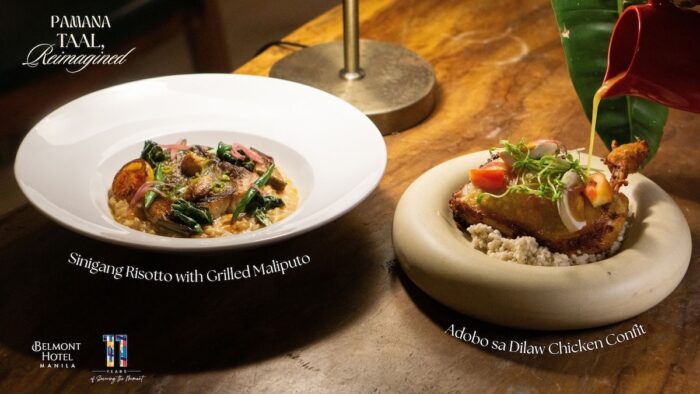 PAMANA: Taal, Reimagined is a culinary collaboration celebrating Batangas’ flavors and heritage through contemporary Filipino cuisine.
Launched as part of the hotel’s 11th anniversary celebration, the culinary experience presents two Filipino-inspired dishes that combine regional ingredients with contemporary cooking techniques. Available at Café Belmont until December 31, 2026, the featured creations are Sinigang Risotto with Grilled Maliputo and Adobo sa Dilaw Chicken Confit, priced at PHP 1,200 each.
PAMANA, meaning heritage or inheritance, is Belmont Hotel Manila’s culinary initiative celebrating Filipino cuisine, regional food traditions, and the people who preserve and reinvent them. Through collaborations with local culinary talents, the program offers guests a contemporary dining experience that introduces them to the diverse flavors of the Philippines.
“Through PAMANA, we want to share the richness of Filipino cuisine with our guests and introduce them to the stories and traditions behind every dish. Working with Filipino chefs also allows us to celebrate their creativity and show how familiar flavors can be presented in new ways while remaining connected to their roots,” said Mayann Malapote, Hotel Manager of Belmont Hotel Manila.
From an Online Kitchen to a Culinary Collaboration
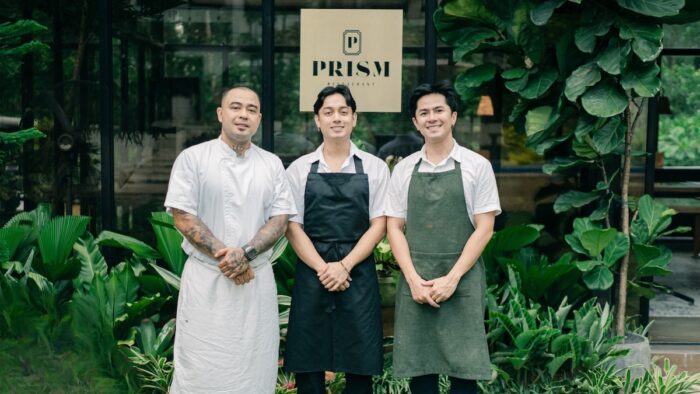 From left: Chef Rey Nalzaro, Executive Chef of Belmont Hotel Manila; Chef Aaron Valeroso; and Chef Grant Zuniga, featured chefs for PAMANA: Taal, Reimagined and restaurateurs based in Lipa, Batangas.
Chefs Grant Zuniga and Aaron Valeroso began their entrepreneurial journey during the pandemic, starting with an online kitchen that eventually developed into a multi-awarded restaurant venture in Lipa, Batangas.
Both chefs studied in Italy, where they gained exposure to international culinary techniques. Chef Grant further refined his skills through experience in hotels and award-winning restaurants in the United States, while Chef Aaron built his professional background working in five-star hotels in the Philippines.
For PAMANA: Taal, Reimagined, the chefs draw inspiration from Batangas’ culinary traditions, giving familiar Filipino dishes a contemporary presentation. Their creations reflect their combined experiences and their commitment to showcasing the country’s regional food culture.
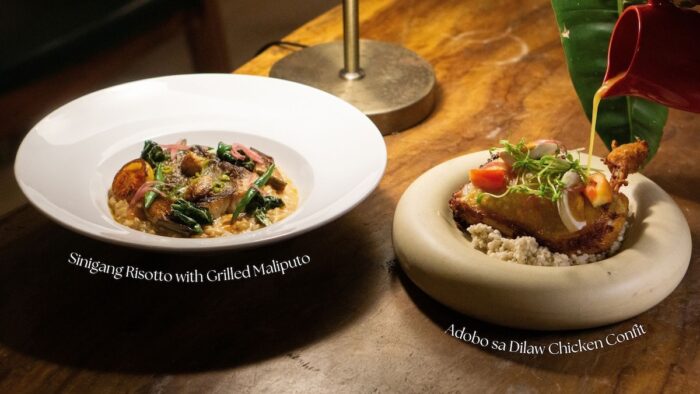 Sinigang Risotto with Grilled Maliputo and Adobo sa Dilaw Chicken Confit.
Two Dishes Celebrate the Flavors of Batangas
The culinary collaboration features two dishes that reinterpret traditional Filipino flavors while highlighting ingredients associated with Batangas.
Sinigang Risotto with Grilled Maliputo
The Sinigang Risotto with Grilled Maliputo pairs sinigang’s signature sourness with the creamy texture of Italian risotto. The dish brings two distinct culinary traditions together on one plate.
Grilled maliputo, a prized fish from Taal Lake, adds smoky, savory notes to the risotto. It also highlights the local ingredients and food traditions that shape Batangas’ culinary identity.
The dish offers a contemporary take on familiar Filipino flavors, pairing the comforting character of sinigang with the richness of an Italian-inspired preparation.
Adobo sa Dilaw Chicken Confit
The Adobo sa Dilaw Chicken Confit draws on a Batangueño specialty defined by its use of luyang dilaw, or turmeric. Combined with gata, or coconut milk, the dish delivers earthy, aromatic flavors with a rich finish.
The chicken is prepared using the confit technique, which involves slow-cooking the meat in fat to achieve a tender texture. This method gives the traditional dish a contemporary presentation while retaining Adobo sa Dilaw’s distinctive character.
Together, the two creations offer diners a new perspective on Batangas cuisine, demonstrating how regional specialties can evolve while remaining connected to their culinary roots.
Where to Try PAMANA: Taal, Reimagined
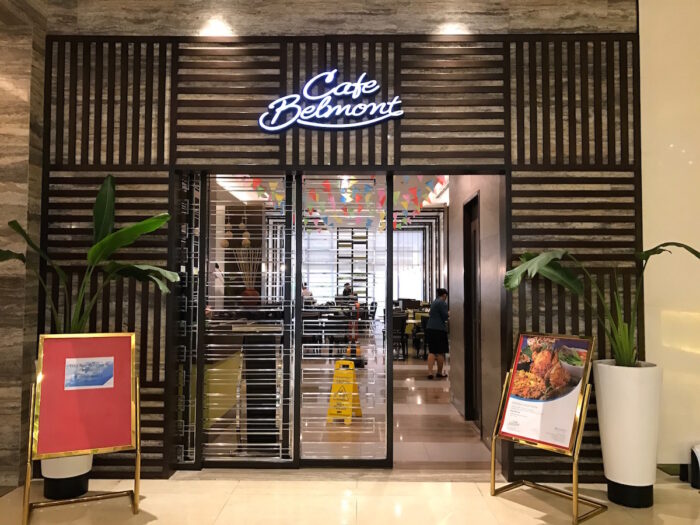 Cafe Belmont
Café Belmont, inside Belmont Hotel Manila in Newport City, lets travelers and local diners experience the culinary collaboration without leaving Metro Manila.
The hotel sits beside Ninoy Aquino International Airport Terminal 3 and is accessible via Runway Manila, the pedestrian link connecting the airport to Newport City. Its location makes it a convenient dining option for hotel guests, airport travelers, business professionals, and residents looking to explore Filipino cuisine in a contemporary setting.
PAMANA: Taal, Reimagined is available at Café Belmont until December 31, 2026. Each featured dish is priced at PHP 1,200.
For reservations, inquiries, and orders, visit www.belmonthotelmanila.com, call (02) 5318-8888 or +63 927 007 9952, or email dine@belmontmanila.com.
Follow the Out of Town Travel Blog on Facebook, Twitter, Instagram, and Pinterest for more travel and food-related updates.
Read:
Alex Eala Back on Track After Dominant Win Over Mika Stojsavljevic at Toray Pan Pacific Open
Filipina tennis star Alex Eala made a confident start to her Toray Pan Pacific Open campaign, defeating British wildcard Mika Stojsavljevic, 6-1, 6-2, in the first round in Tokyo, Japan, on October 26, 2026.
 Alex Eala Back on Track After Dominant Win Over Mika Stojsavljevic at Toray Pan Pacific Open
The eighth-seeded Eala needed just 75 minutes to secure the straight-sets victory at the WTA 500 tournament. She controlled much of the match with consistent groundstrokes, effective returning, and composed play under pressure, advancing to the Round of 16.
The result gives Eala a timely boost as she continues her Asian swing campaign. Although one victory does not erase the challenges of a demanding season, her performance showed the value of maintaining intensity and taking control from the opening games.
Alex Eala Dominates the Opening Set
Eala wasted little time establishing control against the 17-year-old Stojsavljevic. The Filipina broke early and raced to a 5-0 lead, putting immediate pressure on her opponent and limiting her opportunities to settle into the match.
Stojsavljevic got on the scoreboard in the sixth game, using her powerful groundstrokes to create attacking opportunities. Eala, however, remained composed and closed out the set, 6-1.
The opening set showed Eala’s ability to apply pressure with consistent returns and disciplined shot selection. Rather than matching every powerful shot with greater force, she focused on making her opponent play more balls and capitalizing on errors.
That approach proved effective. Stojsavljevic showed that she could produce aggressive, high-quality shots, but maintaining that level of execution over an entire match proved difficult.
Stojsavljevic Fights Back, but Eala Holds Firm
The second set presented a more competitive test. Stojsavljevic found more opportunities to challenge Eala and pushed the Filipina to work harder in several service games.
Eala continued to create pressure on return, but she also had to respond when her opponent threatened to break back. One of the most important moments came in the seventh game, when Eala saved three break points before holding serve.
The game mattered because it prevented Stojsavljevic from gaining another foothold in the set. Instead of letting the match get more complicated, Eala handled the pressure and maintained her advantage.
She eventually closed out the second set, 6-2, to complete the match in 75 minutes.
The scoreline reflected Eala’s control, but the second set also showed why composure matters in professional tennis. Even when an opponent starts finding better opportunities, a player must continue executing the game plan and avoid giving away momentum.
Match Statistics Highlight Eala’s Consistency
The match statistics help explain the result. Stojsavljevic produced more outright winners than Eala, recording 24 compared with the Filipina’s eight. However, the British teenager also committed 41 unforced errors, a significant number that reduced the impact of her aggressive play.
Eala recorded 11 unforced errors, showing greater consistency throughout the match.
| Match statistic | Alex Eala | Mika Stojsavljevic |
|---|---|---|
| Final score | 6-1, 6-2 | 1-6, 2-6 |
| Winners | 8 | 24 |
| Unforced errors | 11 | 41 |
| Match duration | 75 minutes | 75 minutes |
The numbers highlight an important distinction between producing winners and controlling a match. Aggressive shots can put an opponent under pressure, but they must be balanced with consistency and sound decision-making.
Stojsavljevic showed she could hit through the court. Eala, meanwhile, kept rallies manageable and forced her opponent to take risks.
Eala’s performance was not about producing the most spectacular shots. It was about making fewer mistakes, seizing opportunities, and protecting her lead as the pressure mounted.
A Meeting Between Two Former US Open Junior Champions
The match also brought together two players who have won the US Open girls’ singles title.
Eala captured the junior championship in 2022, establishing herself as one of the Philippines’ most promising young tennis players. Stojsavljevic won the same title in 2024, marking an important milestone in her development.
Despite their shared junior success, the players arrived at different stages of their professional journeys. Eala has gained experience competing on the WTA Tour and at major international events, while Stojsavljevic continues to develop her game and build experience against established professionals.
Stojsavljevic entered the Tokyo tournament as a wildcard. Her powerful groundstrokes showed why she is regarded as a player with potential, even though her error count proved costly in this particular match.
For Eala, the victory was another opportunity to apply her growing professional experience. Junior championships can signal a player’s potential, but senior-circuit success requires consistency, tactical flexibility, and the ability to handle pressure against different opponents and across tournaments.
The Tokyo meeting reminded us that both players have already achieved notable milestones, while their professional careers continue to develop.
Why This Victory Matters for Alex Eala
Eala’s win provides a positive result during a demanding stretch of the season. The Asian swing brings together a series of tournaments that require players to adjust to different opponents, playing conditions, travel schedules, and levels of pressure.
A straightforward opening-round win can build confidence and conserve energy for the next challenge. Eala spent just 75 minutes on court against Stojsavljevic, giving her a useful start to the tournament.
The manner of the win also matters. Eala took an early lead, responded when her opponent became more competitive, and saved three break points while serving in the second set. Those moments showed she could stay focused even when the match wasn’t entirely comfortable.
However, it would be premature to describe the result as a complete turnaround in her season. Professional tennis is shaped by consistency over time, and one strong performance cannot determine what happens in the matches ahead.
The victory does show that Eala can deliver a controlled performance, limit unforced errors, and take advantage of an opponent’s mistakes. Repeating those qualities against stronger or more consistent opponents will be the next challenge.
Alex Eala’s Next Opponent: Talia Gibson
Eala will face Australia’s Talia Gibson in the Round of 16. Gibson advanced after defeating Daria Kasatkina, 6-0, 7-5, setting up another important test for the Filipina.
Gibson entered the tournament with more established tour experience and a strong recent performance in Tokyo. Her victory over Kasatkina showed she could start aggressively and stay competitive when the match got more demanding.
For Eala, the matchup will require a different tactical approach than what worked against Stojsavljevic. The key will be to control rallies, exploit second serves, and keep Gibson from dictating points from the baseline.
Eala’s consistency against Stojsavljevic offers an encouraging foundation, but Gibson’s form means the next match should not be treated as an automatic win. The Filipina will need to stay focused and adjust as the contest develops.
A quarterfinalist finish would mark another step forward in Eala’s Tokyo campaign. It would also give her another opportunity to test her game against an established opponent on the WTA Tour.
For now, her immediate priority is to recover, prepare, and carry the positives from her first-round performance into the next match.
What to Watch as Eala Continues Her Tokyo Campaign
Eala’s next match will offer a clearer measure of her form against a more established opponent. Gibson’s straight-sets win over Kasatkina gives her confidence, making the Round of 16 a meaningful test for both players.
The key questions are whether Eala can sustain her serving, stay disciplined in longer rallies, and convert opportunities when they arise. Against Stojsavljevic, Eala landed 68% of her first serves and won 72% of the points behind those deliveries. Those numbers provide a useful benchmark, although her next opponent will present a different challenge.
Eala’s victory also comes with a practical benefit: she can focus on her singles campaign after withdrawing from the doubles draw with partner Desirae Krawczyk, who sustained a back injury.
For Filipino tennis fans, the priority is to follow the next match without getting ahead of the result. A quarterfinal berth would be a notable achievement, but Eala must first navigate Gibson and show she can replicate the consistency she showed in her opening match.
Frequently Asked Questions About Alex Eala at the Toray Pan Pacific Open
1. Did Alex Eala defeat Mika Stojsavljevic at the Toray Pan Pacific Open?
Yes. Alex Eala defeated British wildcard Mika Stojsavljevic, 6-1, 6-2, in the Round of 32 on October 26, 2026. The match lasted 75 minutes and sent the eighth-seeded Filipina into the Round of 16 of the WTA 500 tournament in Tokyo. Eala took an early lead in the first set and maintained control despite Stojsavljevic’s stronger resistance in the second. The victory gave Eala a positive start to her singles campaign in Japan.
2. What was the score of Alex Eala’s match against Mika Stojsavljevic?
Eala won 6-1, 6-2. She quickly built a commanding lead in the first set, reaching 5-0 before Stojsavljevic won a game. Eala then closed out the set, 6-1. The second set was more competitive, with Stojsavljevic creating opportunities to challenge the Filipina’s serve. Eala responded by saving three break points in the seventh game and eventually secured the set, 6-2. The straight-sets result reflected Eala’s ability to combine aggressive returning with consistent shot-making.
3. How long did Alex Eala’s match against Mika Stojsavljevic last?
The match lasted 75 minutes. Eala’s efficient performance let her finish the opening round without a deciding set. She applied pressure early, maintained her advantage, and responded effectively when Stojsavljevic became more competitive in the second set. A relatively short match can also help a player manage physical demands during a tournament, although recovery, preparation, and the next opponent’s playing style remain important. Eala will need to maintain her concentration as competition intensifies in the later rounds.
4. What were the key statistics from Alex Eala’s victory?
Stojsavljevic recorded 24 winners, compared with Eala’s eight, but also committed 41 unforced errors. Eala recorded 11 unforced errors. Eala also landed 68% of her first serves and won 72% of the points behind those serves. These numbers show that winners alone do not determine a tennis match’s outcome. Stojsavljevic produced more outright attacking shots, but Eala’s consistency helped her maintain control. The Filipina also handled the pressure of saving three break points in one game during the second set.
5. Who is Mika Stojsavljevic?
Mika Stojsavljevic is a British tennis player who won the US Open girls’ singles title in 2024. She entered the 2026 Toray Pan Pacific Open as a wildcard and faced Eala in the opening round. The two players share the distinction of having won the US Open junior championship, with Eala winning in 2022. Stojsavljevic showed considerable power during their Tokyo match, producing more winners than Eala, but her 41 unforced errors made it difficult to sustain pressure. The match gave the young Briton another chance to gain experience at WTA Tour level.
6. Who will Alex Eala face in the next round?
Eala is scheduled to face Australia’s Talia Gibson in the Round of 16. Gibson advanced after defeating Daria Kasatkina, 6-0, 7-5, in her opening match. The result gives Gibson momentum heading into the next round, but it doesn’t determine how the matchup with Eala will unfold. Eala will need to maintain her serving consistency and avoid giving Gibson easy opportunities to attack. The match will decide whether the Filipina advances to the Tokyo tournament quarterfinals.
7. What is the Toray Pan Pacific Open?
The Toray Pan Pacific Open is a women’s professional tennis tournament held in Tokyo, Japan. The 2026 edition is a WTA 500 event played on outdoor hard courts from October 26 to November 1. Tournaments at this level offer ranking points and chances to compete against established WTA Tour players. The event is part of the Asian swing, a stretch of the tennis calendar in which players compete across tournaments in the region. Eala’s participation gives her another opportunity to build experience and results against international competition.
8. What does Alex Eala’s victory mean for her WTA ranking?
A single match result does not automatically change a player’s ranking. WTA rankings depend on a player’s results across eligible tournaments and the points that enter or leave the ranking calculation. Advancing to another round creates an opportunity to earn more points, but the final effect depends on the tournament outcome and the player’s existing points. Eala’s victory guarantees progress in the Tokyo draw, not a specific ranking position. Readers should check the latest official WTA rankings after the tournament results are processed for an accurate update.
9. Has Alex Eala won a Grand Slam junior title?
Yes. Eala won the US Open girls’ singles title in 2022. Her junior success helped establish her reputation as a promising Filipino tennis player before she continued developing on the professional circuit. Stojsavljevic, her opponent in Tokyo, won the same junior title in 2024. Junior Grand Slam titles are important milestones, but the professional tour brings different challenges, including stronger competition, longer seasons, and the need to stay consistent across tournaments. Eala’s Tokyo victory showed how experience gained since her junior career can help her manage a professional match.
10. Can Alex Eala reach the quarterfinals of the Toray Pan Pacific Open?
Eala has a clear opportunity to reach the quarterfinals, but she must first defeat Talia Gibson in the Round of 16. Her opening-round performance was encouraging because she limited unforced errors, served effectively, and handled pressure in the second set. Gibson, however, also produced a strong result against Kasatkina, so Eala’s previous scoreline alone is unlikely to decide the next match. The Filipina will need to adapt to Gibson’s game and sustain her level throughout the contest. A quarterfinal appearance would mark another step forward in her Tokyo campaign, but the outcome remains dependent on the match itself.
Conclusion: Alex Eala Looks to Build Momentum in Tokyo
Alex Eala’s 6-1, 6-2 victory over Mika Stojsavljevic gives Filipino tennis fans a reason to be encouraged. Her strong start, low unforced-error count, and composure under pressure helped her reach the Round of 16 at the Toray Pan Pacific Open.
The next challenge against Talia Gibson will test whether Eala can carry that consistency into another match. Rather than treating one win as proof of a complete turnaround, the more useful takeaway is that Eala showed she can execute a disciplined game plan and manage key moments.
As her Tokyo campaign continues, Filipino supporters will be watching to see whether she can turn this promising opening performance into a deeper tournament run.
Follow and subscribe to OutofTownBlog.com on Facebook , Twitter, Instagram, Pinterest, and YouTube for more Travel-related updates.
Read:
Mr. & Ms. Chinatown Global Plant Sampaguita at Manila’s Rizal Park to Celebrate Filipino-Chinese Heritage
Mr. & Ms. Chinatown Global 2026 winners Ben Siao and Maria Yna Angela Uy joined Hotel Lucky Chinatown by Megaworld Global Hotels & Resorts for a sampaguita planting activity at Manila’s Rizal Park to promote Filipino-Chinese heritage, cultural appreciation, and environmental stewardship.
 (Fourth person from the left) Alvin Kingson Tan, President of CHiNOY TV, Cecile Lorenzana, Executive Director of National Parks Development Committee (NPDC), Eden Decano, Chief Finance Officer of Megaworld Global Hotels & Resorts, Geraldine Gaw, General Manager of Hotel Lucky Chinatown, and Kelvin Uy, Senior AVP for Sales & Marketing of Megaworld Horizon, with Mr. & Ms. Chinatown Global titleholders.
Held on October 22 at the Chinese Garden, the initiative brought together the pageant winners, runners-up, CHiNOY TV, the National Parks Development Committee (NPDC), and Hotel Lucky Chinatown associates. The group planted 70 sampaguita saplings as part of a collaborative effort to celebrate shared cultural traditions while supporting environmental conservation.
The activity connected the pageant’s celebration of Filipino-Chinese identity with a practical initiative that encourages communities to protect the environment and preserve meaningful cultural landmarks.
“We are grateful for the opportunity to partner with Mr. & Ms. Chinatown Global in celebrating the rich heritage of the Filipino-Chinese community. As a hotel rooted in the heart of Binondo, we recognize the importance of preserving the traditions that connect generations,” said Geraldine Gaw, general manager of Hotel Lucky Chinatown.
She added that the initiative brings people together to honor their shared cultural identity while contributing to a greener future.
Chinese Garden Highlights Filipino-Chinese Friendship
Located within Rizal Park, Manila’s Chinese Garden represents the longstanding friendship between the Filipino and Chinese communities. Constructed between 1966 and 1967, the garden was a gift from the local Chinese-Filipino community commemorating the enduring cultural ties between the Philippines and China.
 Megaworld Global Hotels & Resorts, through Hotel Lucky Chinatown, held a Sampaguita planting activity at the Chinese Garden at Luneta Park in partnership with Mr. & Ms. Chinatown Global and NPDC.
The garden provided a meaningful setting for the planting activity, reinforcing the connection between heritage preservation and environmental responsibility.
Hotel Lucky Chinatown’s participation also reflects its ties to Binondo, Manila’s historic Chinatown, where Filipino and Chinese influences have shaped local traditions, cuisine, commerce, and community life for generations.
Through initiatives such as the sampaguita planting activity, the hotel continues to support cultural engagement beyond the hospitality sector.
The partnership with the NPDC marks the first phase of Megaworld Global Hotels & Resorts’ sampaguita planting efforts at Rizal Park. Both parties plan to collaborate on additional planting activities in the future.
Megaworld Global Hotels & Resorts Expands Sampaguita Advocacy
The initiative forms part of Megaworld Global Hotels & Resorts’ Sampaguita advocacy, a program that combines environmental stewardship with community involvement.
Since its August 2023 launch, the advocacy has facilitated the planting of more than 7,000 sampaguita seedlings across eight destinations, benefiting over 40 communities.
The program aims to encourage environmental awareness while supporting efforts to nurture the sampaguita, the Philippines’ national flower. By involving communities and partners in planting activities, the initiative also promotes shared responsibility for the country’s natural environment.
 Mister and Miss Megaworld Global Hotels and Resorts 2026
Pageant Winners Become Sampaguita Advocacy Ambassadors
As part of the partnership, Ben Siao and Maria Yna Angela Uy were also named Mr. & Ms. Megaworld Global Hotels & Resorts.
During their reign, the titleholders will serve as ambassadors for the group’s Sampaguita advocacy. Their role includes helping raise awareness of the initiative and encouraging greater public participation in environmental efforts.
The partnership gives the pageant winners an opportunity to extend their influence beyond the competition by promoting cultural appreciation, community engagement, and environmental consciousness.
By planting 70 sampaguita saplings at the Chinese Garden, the collaboration shows how cultural celebrations can create opportunities for meaningful community action while strengthening the ties that connect Filipino and Chinese heritage.
Follow the Out of Town Travel Blog on Facebook, Twitter, Instagram, and Pinterest for more travel and food-related updates.
Read:
Best Banks in the Philippines: Savings, Credit Cards and Digital Banking Compared
Choosing a bank in the Philippines used to mean picking whichever branch sat closest to home. Today the decision is wider. Traditional banks, rural banks, and app-only digital banks all compete for your savings, each offering a different mix of interest, convenience, and credit. This guide compares them across the three things most people care about: where to park your savings, how to choose a credit card, and what digital banking can and cannot do for you.
 Best Banks in the Philippines
What To Compare In A Savings Account
The headline interest rate gets the attention, but it is only one piece. Before you open an account, check these points:
- Interest rate and how it is paid. Rates are usually quoted per year, and some promotional rates apply only for a limited period or up to a certain balance.
- Opening and maintaining balance. A low opening deposit helps beginners, while a high maintaining balance can trigger monthly charges if you dip below it.
- Fees. Look at ATM withdrawals, interbank transfers, and dormancy charges.
- Deposit insurance. Banks regulated by the Bangko Sentral ng Pilipinas are generally covered by the Philippine Deposit Insurance Corporation, which protects deposits up to a set limit per depositor.
- Access. Consider whether you need branches, ATMs, or can do everything in an app.
Traditional, Digital, And Rural Banks At A Glance
| Type | Strengths | Trade-offs |
| Traditional (universal and commercial) banks | Wide branch and ATM network, full range of loans and cards | Regular savings often earn modest interest; some accounts require higher balances |
| Digital banks | Quick account opening, app-first experience, often higher rates | Little or no branch support; you rely on in-app service |
| Rural and thrift banks | Competitive deposit rates, community focus | Fewer branches and a smaller product range |
No type wins in every category. A freelancer paid online may prefer a digital account for the rate, while a business owner who deposits cash daily may still need a nearby branch.
If you are weighing the best bank to open savings account with, start with your own habits rather than a ranking. Ask how often you withdraw, whether you want your money to grow quietly in the background, and how much you can set aside each month. Rural banks are worth a look here. Salmon Bank is one example, licensed by the Bangko Sentral and offering a savings account with an advertised rate of 4% per year, which the bank describes as an estimate subject to its terms and conditions.
According to the product page, there is no minimum balance requirement, although opening an account takes as little as PHP 5,000. Deposits are insured by the PDIC up to PHP 1 million per depositor, and you can manage your account through the Salmon app. To get started, submit an online form, have a relationship manager contact you, and sign the documents in person. Because rates and promos change, always read the latest terms before depositing.
 Digital Bank
How Digital Banking Fits In
Digital banking has changed how you manage money day to day. With a smartphone, you can open an account in minutes, send money through instant transfer networks, scan QR codes to pay, and set savings goals without visiting a branch. Many apps also let you freeze a card or adjust limits instantly if something looks wrong.
The trade-offs are real, though. Cash deposits can be inconvenient, and when something goes wrong, you rely on chat or email support instead of a teller. Security matters too. Turn on two-step verification, never share one-time passwords, and avoid logging in over public Wi-Fi. A practical setup for many households is two accounts: one digital account for savings and everyday payments, and one traditional account for salary, bills, and cash needs.
Choosing A Credit Card
A credit card can be a useful tool or an expensive habit, depending on how you use it. Compare cards on four things:
- Annual income requirement and annual fee. Some cards waive the fee for the first year or when you meet a spending target.
- Rewards. Cashback suits everyday spending, while points and miles reward travel and dining.
- Interest on unpaid balances. Cards charge monthly interest on balances you carry over, so paying the full statement amount each month keeps the cost close to zero.
- Installment programs. Many cards offer zero-interest installments with partner merchants, which can help with big purchases if you stay disciplined.
If you travel often, the reward structure matters even more. This roundup of the best travel credit cards in the Philippines helps you compare cards built around miles, lounge access, and overseas spending before you apply.
How To Decide
Match the account to the job. Put your emergency fund where it can earn a competitive rate and remain insured. Keep a card for purchases you can pay off in full. Use a digital app for speed and a traditional bank for services that still need a branch. Review your choices every year, since rates, fees, and promos shift often.
The best bank in the Philippines is not a single name. It is the combination of accounts that keeps your money safe, growing, and easy to reach.
Want more Updates? Please follow #TeamOutofTown on Facebook, Twitter, Instagram, and Pinterest for more travel ideas.
Also Read:
Western Visayas Artisans Win Big at Manila FAME 2026
Artisans from Iloilo and Aklan showcased Filipino craftsmanship at Manila FAME 2026, blending traditional weaving techniques, sustainable materials, and contemporary design to create award-winning fashion, home décor, and lifestyle products.
 Aklan, Iloilo Artisans Bag KATHA Awards at Manila FAME 2026
Held from October 15 to 17 at the World Trade Center Metro Manila, the trade show featured Western Visayas enterprises under the theme “Bloom,” which celebrated organic forms and natural flora. The region’s 24 participating micro, small, and medium enterprises (MSMEs) attracted attention for their craftsmanship, product quality, and commercial potential, earning recognition at the prestigious KATHA Awards.
The participation highlighted Western Visayas as an emerging destination for distinctive Filipino design, where heritage techniques meet modern consumer preferences.
Iloilo Designers Blend Tradition with Contemporary Style
Iloilo’s delegation brought together designers, cooperatives, and creative businesses offering wearable fashion, home accessories, holiday furnishings, and handcrafted lifestyle products.
Designer PJ Arañador curated a selection of products through the Department of Trade and Industry’s One Town, One Product (OTOP) Philippines program, highlighting locally made creations for domestic and international markets.
One of the delegation’s major highlights was Erik Castelo House of Fashion, which received a KATHA Award for its innovative approach to traditional weaving and contemporary fashion. The business also won the Major Award for Best Product Design in the Holiday Décor, Gifts & Toys category for its Panayanon Silak Grove Obelisks.
Other fashion exhibitors included Indag-an Primary Multi-Purpose Cooperative, Salngan Livelihood Multi-Purpose Cooperative, Modern Ilongga, and 1Iloilo Incorporated.
The home and lifestyle section featured Iloilo Capiz Shells Flowers and Antiques, Lampirong Collection, Cuaycong Native Crafts, WUTHLE Association, Rattanology Corporation, and Owlkemy Candles Manufacturing.
The 11-member Iloilo delegation also presented a custom bamboo display built by the Maasin Bamboo Association and designed by Arañador, reinforcing the region’s emphasis on natural materials and locally developed design.
The delegation participated in Manila FAME for the second consecutive year, with support from Iloilo City Mayor Raisa Treñas and partners, including the Metro Iloilo-Guimaras Economic Development Council, PhilExport6A, MORE Power, PCCI Iloilo, and Representative Ferjenel Biron.
 KATHA Awards at Manila FAME 2026
Aklan Earns National Recognition for Sustainable Crafts
Aklan presented a 15-enterprise delegation specializing in piña, raffia, and nito weaving, showing how traditional materials can become contemporary products for fashion and home interiors.
Six businesses participated directly under DTI Aklan: Bandiola’s Piña Weaving, Dodong and Mikay Piña Weaving, Buttons Nthings Arts and Crafts Shop, Ninamaria Arts and Crafts, Elizabeth Rasonable Piña Weaving, and Raquel’s Piña Cloth Products.
Eight additional makers joined through the Kalibo LGU Artisans Village. These were the Aklan Fashion Designers Association, Handicraft of Aklan Multi-Purpose Cooperative, Joeriz & Co., La Herminia Weaving and Arts, Nami Aklan, Piña Seda Primera, Reycon’s Piña Cloth, and Uswag Arts and Crafts. Alima by Silverhandicrafts participated independently.
Buttons Nthings Arts and Crafts Shop led Aklan’s strong showing, winning the KATHA Award for Eco Design for its Nitraf placemats.
Owner Sheree Reynaldo also became a finalist in three other categories. Her shortlisted products included the Si Amo ag si Bao raffia stuffed toy for Holiday Décor, nito placemats for Home Décor, and the Franz Nito Bag for Fashion.
Another Aklanon maker, Ninamaria Arts and Crafts, earned an Eco Design finalist spot for its Upak Bowl collections.
The victory marked Reynaldo’s second KATHA Award win in the Eco Design category. At Manila FAME 2024, she received the award for her PAEA Handwoven Raffia Table Runner, which used natural local dyes derived from Talisay leaves, coconut coir, and atsuete seeds.
Her achievements highlight the commercial potential of environmentally conscious design and the continued relevance of traditional weaving in contemporary Filipino products.
Filipino Craftsmanship Gains Wider Market Opportunities
DTI Region VI Acting Regional Director Mutya Eusores praised the participating businesses for demonstrating the quality and ingenuity of Western Visayas craftsmanship.
She emphasized that the awards represented more than individual achievements, highlighting the region’s capacity to compete in the national design industry. She also recognized Erik Castelo and Sheree Reynaldo as examples of how creativity, entrepreneurship, and innovation can help elevate local products.
Beyond the awards, Manila FAME gave participating enterprises a chance to introduce their products to buyers, industry professionals, and potential business partners.
DTI Region VI said it would continue supporting local producers through initiatives designed to improve product development, expand market access, and strengthen the competitiveness of Filipino brands.
These efforts align with the government’s Tatak Pinoy Act, which aims to promote the development and competitiveness of Philippine-made products.
For Western Visayas, the recognition at Manila FAME 2026 underscores how regional heritage can become a source of contemporary design innovation. From Iloilo’s fashion and bamboo displays to Aklan’s piña, raffia, and nito creations, the participating artisans demonstrated that Filipino craftsmanship can preserve cultural traditions while responding to evolving lifestyle markets.
Follow the Out of Town Travel Blog on Facebook, Twitter, Instagram, and Pinterest for more travel- and food-related updates.
Read: